If you only know Florence Nightingale as the "Lady with the Lamp" who tended to wounded soldiers in the Crimean War, you’re only seeing a tiny sliver of her life’s work. For decades, pop culture has reduced her to a gentle, kind caregiver, but she was also a sharp statistician, a fierce policy advocate, and a radical reformer who reshaped global healthcare systems for good. If you’ve ever wondered what did Florence Nightingale accomplish outside of wartime nursing, this guide breaks down her most lasting, often overlooked contributions that still impact your daily life today.
Wartime Healthcare Innovations That Launched Her Career
In 1854, reports of horrific conditions for British soldiers in the Crimean War reached the UK, with up to 42% of wounded troops dying from preventable causes like infection, malnutrition, and exposure rather than combat injuries. Nightingale, who had already trained as a nurse against her wealthy family’s wishes, was recruited to lead a team of 38 nurses to the Scutari military hospital in Constantinople. Military officials initially refused to let her team make any changes, seeing nursing as an unskilled, low-status role unworthy of influencing hospital operations.
She pushed past the pushback, first ordering the entire facility deep cleaned, setting up a dedicated laundry service for linens, and securing access to clean drinking water and fresh food for patients. She also introduced regular ward inspections and strict rules for handwashing and waste disposal. Within two years, she reduced the hospital’s mortality rate from 42% to just 2%, a result that shocked military leadership and made her a household name in the UK.
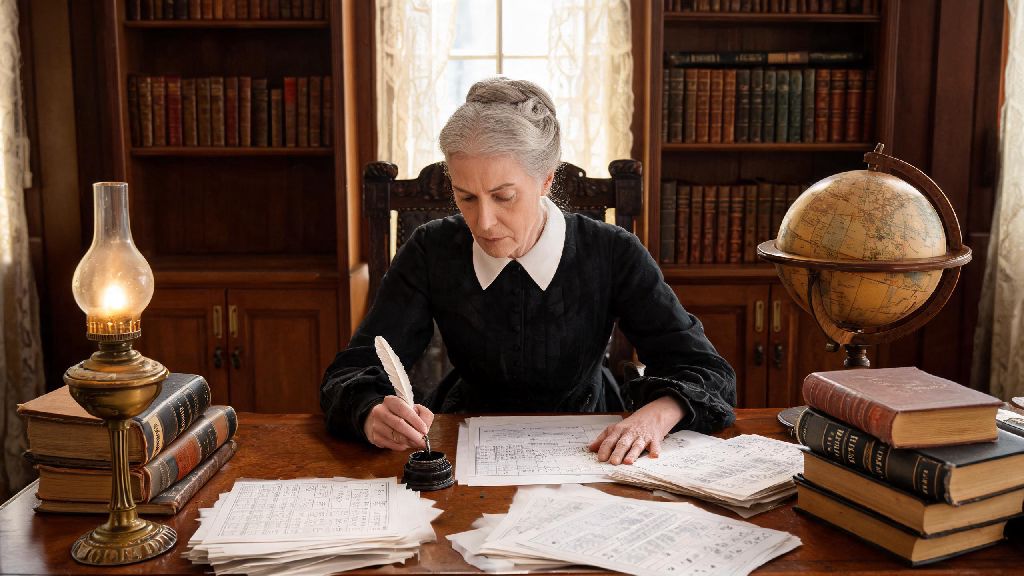
I’ve always found it funny that the image most of us remember of her is the lamp-carrying ward round, but that only took up one hour of her 12+ hour workday. Most of her time was spent documenting patient outcomes, tracking supply shortages, and compiling data to prove that sanitation directly impacted survival rates. That data would become the foundation of all her later reform work.
What Did Florence Nightingale Accomplish Beyond the Crimean War?
When she returned to England in 1856, she was a national hero, but she hated the public attention and avoided most public appearances. She used her platform to push for systemic change instead of resting on her reputation, and her work over the next 50 years touched nearly every corner of public health. Her most impactful long-term achievements include:
She also published Notes on Nursing in 1859, the first ever nursing guide written for ordinary people rather than medical professionals. The book sold over 10,000 copies in its first year, was translated into 10 languages within a decade, and is still in print today. It was one of the first resources to teach everyday people basic hygiene practices to prevent illness at home, long before germ theory was widely accepted.
Surprising Lesser-Known Contributions You Haven’t Heard Of
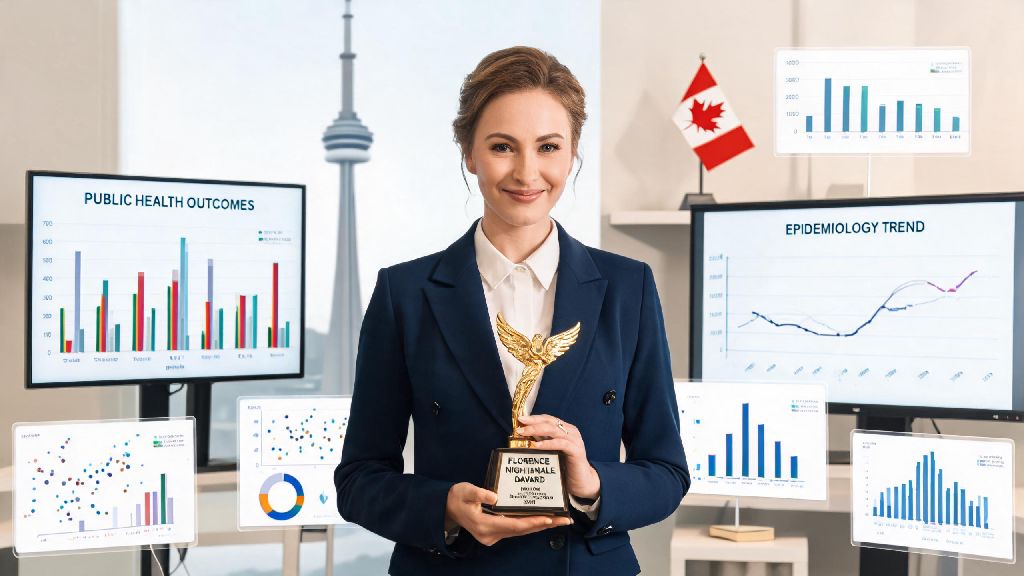
Most accounts of her work stop at nursing reform, but she worked on dozens of other projects that still matter today. For example, she was the first woman ever admitted to the Royal Statistical Society in 1859, more than 60 years before women in the UK gained the right to vote. She used her membership to advocate for better data collection across all government services, not just healthcare, including housing and education programs for low-income communities.
She was also a passionate advocate for women’s access to higher education, and helped fund multiple women’s colleges in the UK in the 1870s and 1880s. She wrote extensively about the importance of accessible healthcare for children living in poverty, and pushed for mandatory school health checks that became standard across the UK by 1910. She even designed improved hospital building layouts that prioritized air flow and easy access to cleaning supplies, a design template that is still used for new hospital construction in many countries today.
But her work wasn’t perfect, and it’s important to acknowledge its flaws too. She held some common Victorian biases about colonial populations, and while she pushed for better care in British colonies, she never questioned the existence of the British Empire itself. That means some of her policy work was tied to colonial control, even if her intentions were to reduce suffering. It’s possible to recognize her groundbreaking contributions while also acknowledging that her work was shaped by the harmful, racist attitudes common to her time and social class.
Despite these flaws, her focus on data-driven policy reform was ahead of its time. She refused to make claims based on anecdotes alone, and always backed up her advocacy with hard, verifiable numbers—something that’s still a core rule of public health work today.
How Her Work Impacts Your Daily Life Today
You might not realize it, but you benefit from Nightingale’s work every time you visit a hospital, a doctor’s office, or even a public school. The standard protocols for cleaning medical facilities, separating infectious patients from the general population, and requiring formal training for all nurses come directly from her recommendations.
For example, the handwashing rules that became universal during the COVID-19 pandemic? They trace their roots back to Nightingale’s 1859 guidelines for hospital sanitation, which emphasized regular handwashing with soap and clean water to stop the spread of infection. She also pushed for hospitals to have separate wards for patients with contagious diseases, a practice that is still standard in every modern hospital around the world. Even the requirement that hospitals post public patient outcome data comes from her advocacy for transparency in healthcare quality.
Her work in data visualization also shaped how we communicate public health information today. The infographics you see sharing COVID case rates, vaccination rates, or mortality data are direct descendants of her polar area diagrams, which were designed to make complex data accessible to people without formal statistics training. I’ve used her polar area diagram structure in my own public health presentations for community groups, and it always gets a better response than plain spreadsheets or bar graphs. She understood that people don’t care about numbers unless they can see what the numbers mean for their lives, and that’s a lesson we still use today.
When you step back and look at her full body of work, the answer to what did Florence Nightingale accomplish goes far beyond a gentle woman with a lamp. She was a pioneer who defied gender norms of her time, used data to fight for better care for everyone, and built systems that still save millions of lives every year. While it’s important to acknowledge the flaws in her work tied to Victorian colonial values, her core contributions to nursing, public health, and data communication are still as relevant as they were 170 years ago.