If you’ve picked up a copy of Kristin Hannah’s wildly popular wartime novel, or seen it recommended on “best WWII books” lists, you’ve probably wondered: is the nightingale about the holocaust? It’s a fair question, given that the story is set in 1940s France, features depictions of Nazi occupation, and includes plot lines centered on the persecution of Jewish communities. I’ve run into this question dozens of times leading local book club discussions, and the answer is more nuanced than a simple yes or no. This guide breaks down the book’s core focus, historical context, and common misconceptions to help you understand exactly what themes it explores.
Is The Nightingale About The Holocaust? Breaking Down the Core Narrative Focus
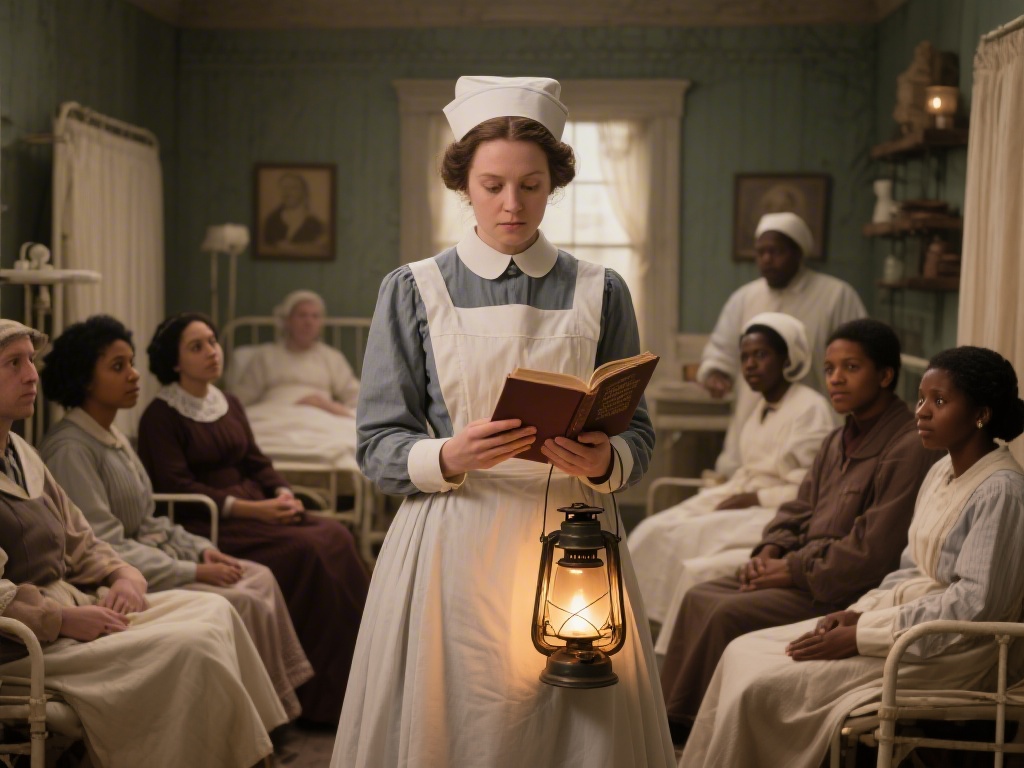
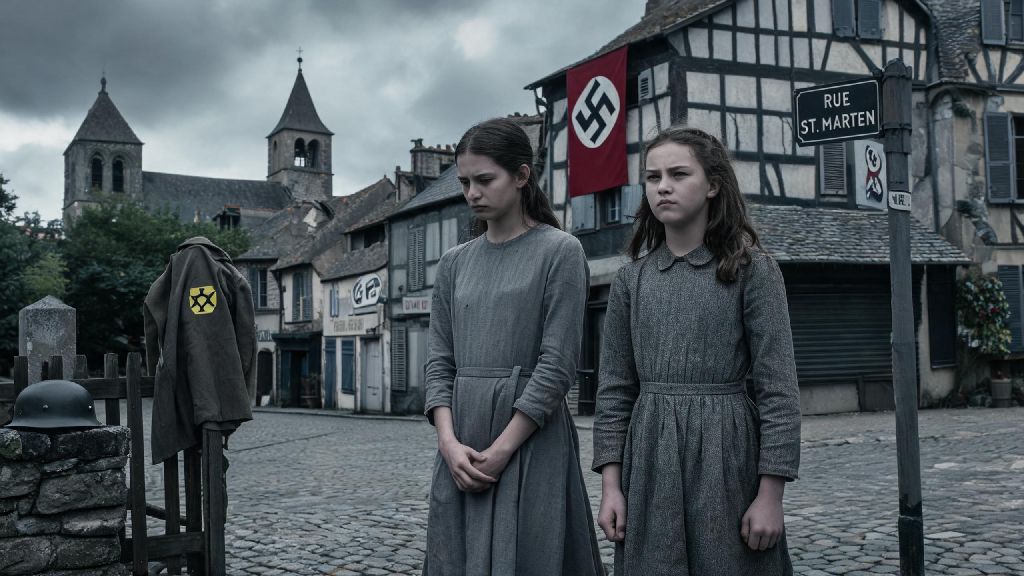
To answer this question clearly first: the Holocaust is a critical contextual backdrop for the novel, but it is not the central plot focus. The story follows two French sisters, Vianne Mauriac and Isabelle Rossignol, who take very different paths to survive and resist Nazi occupation of their small rural town in Vichy France. Isabelle’s arc centers on her work with the French Resistance, smuggling downed Allied pilots across the border to neutral Spain, while Vianne’s story follows her efforts to protect her daughter and vulnerable neighbors from Nazi and Vichy authorities.
Holocaust-related events do appear in the plot, including the implementation of anti-Jewish laws, home raids targeting Jewish families, and deportations to concentration camps. These moments are treated with respect and historical accuracy, but they serve to highlight the stakes of the sisters’ choices rather than drive the core narrative. Unlike explicitly Holocaust-centered novels, the book never focuses on life inside concentration camps, or centers the first-person experiences of Jewish Holocaust survivors as its primary point of view.
Kristin Hannah has shared in multiple interviews that her core inspiration for the book was the untold stories of women who participated in the French Resistance, many of whom never received public recognition for their work during the war. That original focus shapes every narrative choice in the novel, from which characters get point-of-view chapters to which plot points are given the most page time.
Key Historical Context for WWII France Featured in The Nightingale
Even if the Holocaust is not the book’s core focus, the events depicted that tie to the Holocaust are deeply rooted in real historical fact. Hannah spent more than four years researching the time period, interviewing surviving French resistance members, and reviewing archival records of life in Vichy France to make sure her depictions were as accurate as possible. More than 75,000 Jewish people were deported from France to Nazi concentration camps between 1942 and 1944, and the majority of these arrests were carried out by French Vichy police, not just Nazi soldiers, a detail the book portrays unflinchingly.
Many of the specific events referenced in the book are real historical moments that impacted both resistance efforts and Jewish communities in France:
These historical details ground the book’s fictional story in real trauma and resistance, so even if the Holocaust is not the core plot, its impact is felt on every page. Readers often report that the book gives them a clearer understanding of how the Holocaust unfolded outside of Germany and Poland, and how ordinary people living under occupation had to make impossible choices every day.
Common Misconceptions About The Nightingale’s Thematic Focus
There are a few key reasons so many readers go into the book assuming it is a Holocaust-centered story, and most of them tie to how books are marketed and shelved rather than the content of the novel itself. First, almost all fiction set during WWII is grouped under the same “WWII historical fiction” category in bookstores and online retailers, and many retailers automatically tag all WWII books featuring Nazi persecution as “Holocaust fiction” even if that’s not the core focus. I’ve seen this lead to frustration for readers who pick up the book expecting a story centered on Jewish survival, and are surprised when the main characters are gentile French women.
Another common misconception is that all WWII stories that include depictions of anti-Jewish persecution are Holocaust stories. While the Holocaust is an inseparable part of WWII history, there are thousands of distinct stories from the war that focus on other aspects of the conflict, from military campaigns to resistance efforts to civilian life under occupation. The Nightingale falls firmly into that latter category, using the context of the Holocaust to highlight the urgency of the sisters’ resistance work, but never shifting its core focus away from their experiences.
Some readers also confuse the book with other works of fiction with similar titles, including a 1981 Holocaust memoir also titled Nightingale, or the well-known Holocaust memoir Night by Elie Wiesel. That title overlap can lead to false assumptions about the book’s content before you even open the cover. It’s always a good idea to check the book’s synopsis and author background before you start reading, if you’re looking for a specific thematic focus.
Should You Read The Nightingale If You’re Looking for Holocaust-Centered Fiction?
The answer to this question depends entirely on what you’re hoping to get out of your reading experience. If you’re looking for a novel that centers the first-person experiences of Jewish people during the Holocaust, explores life inside concentration camps, or focuses on Jewish resistance efforts, this is not the right book for you. There are hundreds of excellent novels written by Jewish authors that center these lived experiences, and you’ll get a far more nuanced, first-person perspective from those works. If you do pick up The Nightingale for its Holocaust-related themes, you may leave disappointed that those plot lines are secondary to the sisters’ resistance arc.
That said, if you’re looking for a well-researched story that explores the broader context of the Holocaust in occupied France, and how non-Jewish people chose to resist, collaborate, or look away during that time, the book is an excellent read. It does a particularly good job of highlighting how the Vichy government’s collaboration with the Nazis made the deportation of Jewish people possible, a part of WWII history that is often overlooked in popular media. It also doesn’t shy away from the reality that many ordinary French people chose not to resist, a choice that had devastating consequences for their Jewish neighbors.
If you do decide to read it, I recommend pairing it with a Holocaust-centered novel set in France, like Sarah’s Key by Tatiana de Rosnay or The Tattooist of Auschwitz by Heather Morris, to get a more complete picture of the time period. That way you’ll get both the perspective of the non-Jewish resistance fighters and the Jewish people who were the primary targets of Nazi policy in France.
At the end of the day, when people ask is the nightingale about the holocaust, the most accurate answer is that it is a WWII resistance novel set against the backdrop of the Holocaust, with deeply researched, respectful depictions of that historical trauma. It doesn’t center Holocaust experiences, but it doesn’t erase them either, and it can be a valuable read for anyone looking to learn more about the full scope of life under Nazi occupation in France. No matter what you’re looking for from your reading, going in with clear expectations of the book’s focus will help you get the most out of this beloved, emotionally resonant story.