I grew up listening to my grandma tell stories about nightingales singing outside her cottage window in rural England, so when I moved to Northern California 10 years ago, I was determined to find one locally. I asked fellow birders, scrolled through local wildlife forums, and spent dozens of weekends hiking coastal and forest trails with a pair of binoculars slung over my shoulder. I kept running into conflicting answers, so I set out to answer the question I’d been asking for years: are there nightingales in California?
Are There Wild Nightingales in California Right Now?
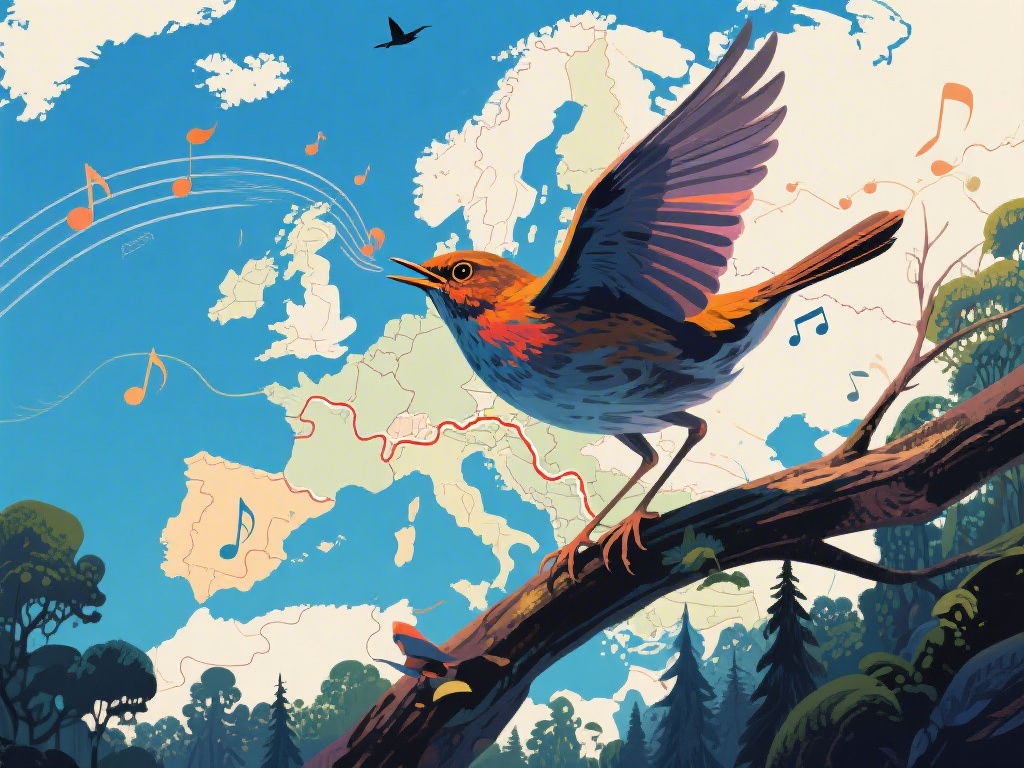
The short answer is almost never, but there are extremely rare exceptions. Wild common nightingales are native to Europe, Asia, and North Africa, with no established breeding populations in North America. These small, brown songbirds migrate thousands of miles every year between their breeding grounds and winter habitats, but their regular migration routes never cross into the Western Hemisphere.
That said, the California Bird Records Committee has documented fewer than 10 confirmed wild nightingale sightings in the state since 1950. All of these sightings were classified as vagrants: birds that got blown off course during transatlantic migration, usually by strong spring storms. Most of these confirmed sightings were along the Northern and Central California coast, where exhausted lost birds land to rest and feed before attempting to return to their native range.
It’s also possible to spot escaped captive nightingales in California from time to time. While it’s illegal to import or keep wild nightingales as pets in the U.S., some people bring them in illegally, and birds occasionally escape from private aviaries or wildlife rehabilitation centers. These escaped birds rarely survive for long in the wild, as they’re not adapted to local food sources and predator populations.
Birds You Might Mistake for Nightingales in California
Over 90% of reported “nightingale” sightings in California are misidentifications of native bird species that look or sound similar to true nightingales. I’ve made this mistake myself: a few years ago, I recorded a beautiful, complex song coming from a bush in my Oakland backyard, and I was convinced I’d found a nightingale. I posted the clip to a local birding group, and someone quickly pointed out it was a northern mockingbird that had probably picked up nightingale calls from a nature documentary playing at a neighbor’s house.
The most common species confused for nightingales in the state include:
- California Thrasher: This shy, ground-dwelling bird has the same muted brown plumage as a nightingale, plus a rich, varied song that includes trills, warbles, and mimicked calls from other local species. They’re extremely common across chaparral, coastal scrub, and oak woodland habitats all over California, and they often sing from low, hidden perches just like nightingales do.
- Hermit Thrush: Widely considered one of the most beautiful songsters in North America, the hermit thrush has a flute-like, echoing song that many people compare to the nightingale’s famous call. They have brown upper parts like nightingales, but you can tell them apart by their spotted cream-colored underbellies and lighter pink legs.
- Northern Mockingbird: 90% of reported "nightingale" sightings in California turn out to be northern mockingbirds singing after dusk. Mockingbirds can mimic hundreds of different sounds, from other bird calls to car alarms to snippets of human music, and they often sing loudly late into the night during breeding season. If you hear a bird singing after dark in a suburban California neighborhood, it’s almost certainly a mockingbird.
To confirm if you’ve spotted a true nightingale, look for its signature rusty reddish-brown tail, plain pale grey underparts, and short, straight beak. Their song is also faster and more complex than any native California songbird, with repeated trills and whistles that don’t include the mimicked sounds you’ll hear from mockingbirds or thrashers.
Where to Spot Nightingales in California (If You’re Lucky)
While the odds of finding a wild nightingale in California are incredibly low, there are a few spots and times of year where your chances are slightly higher. Vagrant nightingales are most often spotted between mid-April and late May, when spring migration storms are most likely to blow birds off course across the Atlantic Ocean.
The most common spots for confirmed vagrant sightings are isolated coastal headlands where migrating birds first land after crossing the ocean. Point Reyes National Seashore in Marin County, Big Sur’s coastal trails, and the northern Channel Islands have all had multiple confirmed nightingale sightings over the past 70 years. If you’re actively looking for a vagrant nightingale, check local birding alert groups regularly, as members will post confirmed rare sightings as soon as they’re verified.
If you don’t want to rely on luck to see a nightingale in California, a small number of licensed wildlife sanctuaries and educational aviaries in the state have captive nightingales. These birds are usually surrendered illegal pets or injured birds that can’t be released back into the wild. You should never approach or disturb a suspected vagrant nightingale, as these birds are already stressed from being far from their native range. Even playing recorded nightingale calls to attract them can use up their limited energy reserves and prevent them from feeding or resting properly.
Ethical Tips for Looking for Nightingales in the State
Even if you never spot a true nightingale, searching for them is a great excuse to explore California’s incredible native bird life, which includes more than 600 different species. I’ve found dozens of new favorite birds while looking for nightingales over the years, from vibrant orange hooded orioles to tiny, chattering wrens.
If you’re heading out to look for nightingales or other rare birds, follow these simple rules to keep local wildlife safe: stick to marked trails to avoid damaging sensitive nesting habitat, don’t play loud bird calls to attract birds, and keep a distance of at least 50 feet from any rare or nesting bird you spot. If you think you’ve found a nightingale, take clear photos and record its song if possible, then submit your record to the California Bird Records Committee for official verification.
You don’t need to find a rare nightingale to have a rewarding birdwatching trip in California. Some of my favorite birdwatching memories have nothing to do with rare sightings: watching a family of California quail cross the trail in front of me, listening to a hermit thrush sing at sunset in the Redwoods, or seeing a mockingbird feed its chicks in a tree outside my apartment. Every bird you spot is special, even if it’s not the one you were looking for.
At the end of the day, if you’re asking are there nightingales in California, the short answer is almost never, but that doesn’t mean you can’t have fun looking. I never did spot a nightingale on those spring hikes I took when I first moved to the state, but I found three new thrasher nests, learned to identify 12 new songbird species, and ended up joining a local birding group that I still meet up with every month. You never know what you’ll find when you head out with a pair of binoculars and an open mind.