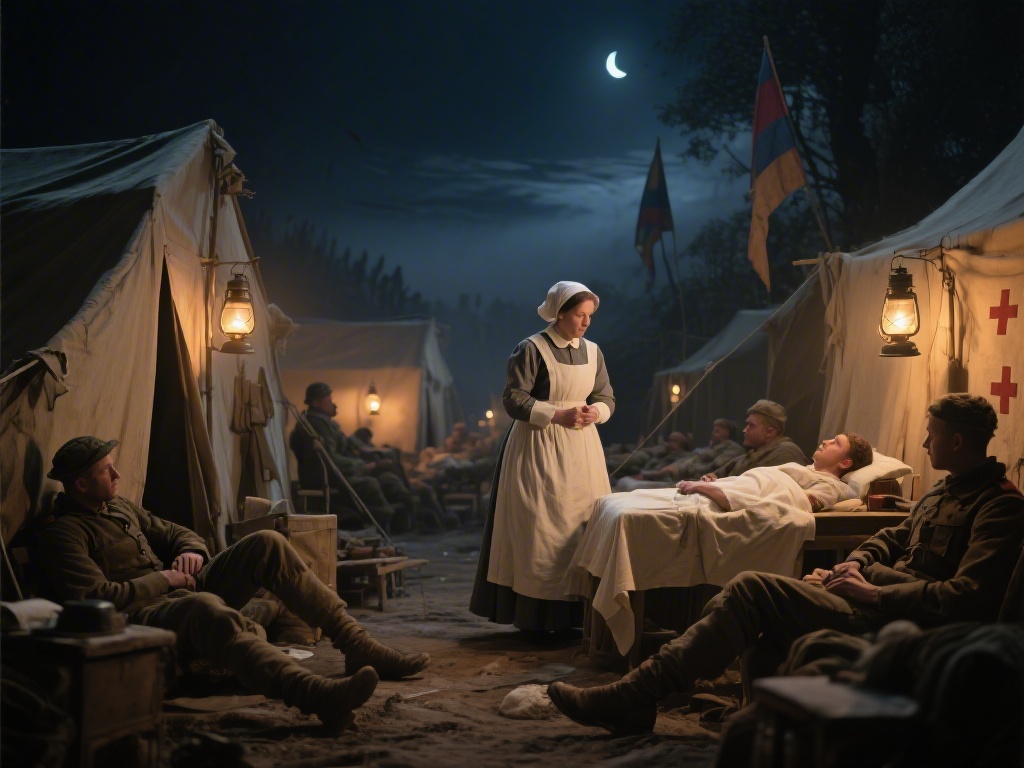
Most of us grew up learning Florence Nightingale was the gentle "Lady with the Lamp", the visionary who invented modern nursing and saved hundreds of wounded Crimean War soldiers by improving hospital sanitation. For decades, she’s been held up as a perfect, unproblematic hero of public health. But in recent years, growing conversations about the harm of colonial legacies have led many people to ask: is Florence Nightingale a racist? This isn’t a question with a simple yes or no answer, and it’s not a debate we can resolve with hot takes or out-of-context social media clips. We’re going to look at verified primary sources, weigh competing perspectives, and avoid the trap of either fully canceling her or fully glorifying her without nuance.
Is Florence Nightingale a Racist? The Core Claims First Documented in 2008
The conversation about Nightingale’s racist views didn’t start on TikTok or Twitter. It first emerged in 2008, when leading Nightingale scholar Dr. Lynn McDonald published findings from her work editing the 16-volume collection of Nightingale’s complete letters and official reports. McDonald, who has spent 40 years studying Nightingale’s life, uncovered dozens of documents where Nightingale expressed explicitly derogatory views about colonized populations, particularly people from South Asia.
Most notably, Nightingale wrote repeatedly about the 1857 Indian Rebellion, describing Indian people as “barbarous”, “uncivilized”, and unfit to govern themselves. She openly supported the British government’s brutal crackdown on the rebellion, which killed tens of thousands of Indian civilians. She also argued in official public health reports that Indian people were too “ignorant” to run their own sanitation programs, and that British colonial rule was a necessary “civilizing mission” to bring basic healthcare to the region.
The claims of Nightingale’s racist views are rooted in verified, peer-reviewed research of her own writing, not unsubstantiated rumors or out-of-context quotes. These comments aren’t one-off remarks made in a moment of anger; they appear consistently across 40 years of her personal and professional writing. That said, it’s important to note that these views were extremely common among white British elites of her era, which doesn’t excuse them, but helps explain where they came from.
Context That Shaped Nightingale’s Views on Colonial Populations
To understand Nightingale’s beliefs, you have to understand the world she grew up in. She was born in 1820 to a wealthy British upper-class family, at the peak of the British Empire’s power. Nightingale’s father inherited a fortune from sugar plantations in Antigua that relied on enslaved Black labor, so her entire privileged upbringing was funded by colonial exploitation. She was taught from childhood that British rule was a force for good in the world, and that white people were inherently more intelligent and capable than non-white people.
After her work in the Crimean War, Nightingale spent the rest of her career advising the British government on public health policy for its colonies. She genuinely cared about reducing high mortality rates in places like India, Australia, and parts of West Africa, and she pushed hard for better sanitation infrastructure in these regions. But her paternalistic beliefs meant she never saw local people as equals who could lead their own public health efforts. She repeatedly blocked proposals to train Indian doctors and nurses to run local health programs, arguing British administrators were the only people qualified to make decisions for colonized populations.
I’ve read dozens of her letters from this period, and it’s clear she didn’t see herself as a hateful person. She truly believed she was doing the right thing for colonized communities. But that good intent didn’t stop her policies from causing real harm. For example, her push to prioritize British civilian access to clean water in Indian cities during 1860s cholera outbreaks led to tens of thousands of avoidable deaths among local Indian populations, who were denied access to the same sanitation resources.
Counterpoints That Defend Nightingale Against Claims of Racism
Not all historians agree that Nightingale should be labeled as a racist, and there are valid points to consider on the other side of the debate. First, Nightingale was a lifelong, vocal opponent of chattel slavery. She campaigned for the abolition of slavery in all British colonies from her early 20s, at a time when most wealthy British people still supported the slave trade or were indifferent to it. She also argued repeatedly that all people, regardless of race, deserved access to basic healthcare, a radical position for a white woman of her era.
Many nursing historians also note that Nightingale actively trained women of color to work as nurses, including Black nurses from the Caribbean and South Asian nurses from India, at a time when most white medical leaders refused to work with non-white staff. She advocated for these nurses to be paid the same wages as white nurses, and she helped them get jobs in both colonial and British hospitals when no one else would hire them. Her nursing school in London accepted women of color from its founding in 1860, which was almost unheard of for professional training programs at the time.
Her supporters also argue that her most inflammatory comments about Indian people were written in the immediate aftermath of the 1857 Rebellion, when news of violent attacks on British civilians was dominating British media. They say these comments were a reaction to a traumatic, fast-moving event, not a reflection of her core beliefs about South Asian people. It’s a fair point, though it’s worth noting she repeated similar views in her writing as late as the 1890s, decades after the rebellion ended.
When weighing all the evidence, it helps to break down the key facts that inform this debate:
- She wrote explicitly racist statements about South Asian and African populations in official government reports and private correspondence spanning 40 years
- She campaigned for the abolition of slavery and pushed for equal access to healthcare for all racial groups in British colonies
- She opposed allowing local colonized leaders to run their own public health programs, arguing British administrators were the only people qualified to do so
- She trained hundreds of non-white nurses and advocated for their right to practice professionally at a time when most white medical leaders barred them from the field
How to Discuss Nightingale’s Legacy Without Oversimplification
This debate doesn’t have to end with you picking a side of “she’s a perfect hero” or “she’s a terrible racist”. History is messy, and people who do great good can also hold deeply harmful beliefs. It’s possible to acknowledge Nightingale’s groundbreaking contributions to modern nursing while also condemning her racist and colonialist views, no caveats required. You don’t have to erase her from textbooks to be honest about the harm her policies caused, and you don’t have to defend her racist comments to recognize her work saved millions of lives.
One common mistake people make when discussing this topic is falling into the trap of presentism: judging people from the past by 2024 moral standards. It’s unfair to expect Nightingale to hold the same views about race and colonialism that most people hold today, but that doesn’t mean we have to excuse her views as “just a product of her time”. Lots of white British people living in the same era opposed colonial rule and didn’t hold racist views, so she had a choice, even if that choice was unpopular among her social circle.
If you’re a teacher or parent talking about Nightingale to kids, the best approach is to teach the full story, not just the sanitized version. You can explain that she invented modern nursing and made hospitals much safer for everyone, and also that she held harmful views about non-white people that caused real harm. When debating this topic online or in person, always prioritize primary source material over secondhand hot takes from social media, which often take her comments wildly out of context to support a specific narrative.
So, is Florence Nightingale a racist? At the end of the day, that’s a judgment call you’ll have to make for yourself after weighing all the evidence. What’s not up for debate is that her legacy is far more complicated than the “Lady with the Lamp” myth we all learned as kids. We don’t have to tear down statues of her or erase her from history books to be honest about her flaws, and we don’t have to ignore her flaws to celebrate the enormous good she did for public health. The most respectful way to engage with her story is to take all of it, the good and the bad, and use it to better understand how colonialism shaped the medical systems we still use today.