Last spring I spent three weekends camping in rural southern England, hoping to catch a glimpse of the famously shy bird I’d heard referenced in folk songs and poetry since I was a kid. I’d spent hours listening to recordings of their trills beforehand, but I still found myself asking: is a nightingale a songbird, or is there a separate classification for birds with such uniquely complex calls? I finally got my answer when a male hopped onto a low hazel branch 10 feet from my tent, singing for nearly 20 minutes straight to attract a mate. If you’ve ever wondered the same thing, this guide breaks down everything you need to know about nightingale classification, their vocal abilities, and how to tell them apart from other common backyard and woodland birds.
Is a Nightingale a Songbird? Official Classification Breakdown
The short answer is yes, nightingales are officially classified as songbirds, part of the oscine suborder of perching birds. Songbirds are defined by their specialized vocal organ called a syrinx, located at the base of their trachea, which allows them to learn, modify, and reproduce varied, structured calls, unlike non-songbirds that only produce simple, innate vocalizations. Nightingales are part of the Muscicapidae family, also known as Old World flycatchers, a group that includes hundreds of small, insect-eating songbird species native to Europe, Asia, and Africa. If you’ve ever asked is a nightingale a songbird after hearing their unusually complex calls, this vocal flexibility is exactly why they fall firmly into the songbird category. Even though they lack the bright, eye-catching plumage of other common songbirds like robins or blue tits, their vocal skills make them one of the most recognizable songbird species in the world. It’s also worth noting that only male nightingales sing, a trait that’s common across many songbird species, where males use vocal displays to attract mates and defend territory.
What Makes Nightingale Songs Stand Out From Other Songbirds
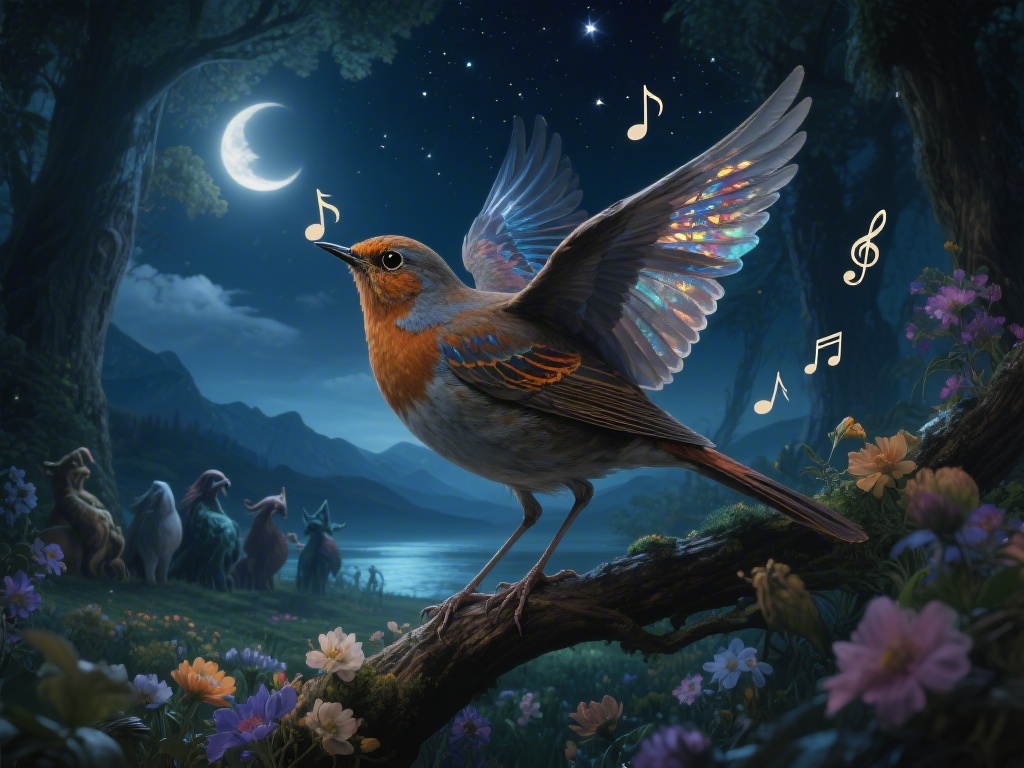
Most songbirds have a repertoire of 100 to 300 distinct vocal sequences, but nightingales blow that number out of the water: mature males can produce over 1,000 different call patterns, including mimicry of other bird species, trills, whistles, and even harsh, guttural notes mixed into their displays. Male nightingales sing for up to 20 hours a day during mating season, mostly at dusk and through the night, when competing noise from other bird species is much lower. That’s one of the reasons their songs are so famous: most people don’t expect to hear such a loud, complex bird call after the sun goes down. When I heard the nightingale at my campsite, I could pick out bits of wren and blackbird calls mixed into his song, which I later learned is a sign of a mature, high-quality male. Female nightingales choose mates based on the complexity, length, and volume of their songs, so males with larger repertoires are far more likely to successfully attract a partner. Unlike many songbirds that repeat the same short phrase on a loop, nightingales weave different sequences together for minutes at a time, making their songs sound almost improvised.
Practical Tips to Identify a Nightingale in the Wild
Nightingales are small, plain brown birds that look almost identical to several other common European woodland birds, so it’s easy to mix them up if you don’t know what to look for. You’re far more likely to hear a nightingale before you see it, so it’s always a good idea to familiarize yourself with their distinct call patterns before you head out looking for them. These simple tips will help you spot and identify a nightingale without disturbing them:
- Listen for singing after dark between mid-April and late June, the only time male nightingales sing consistently through the night to attract mates
- Look for them in dense, low shrubbery or thick undergrowth at the edge of woodlands, they rarely perch on high open branches unless they’re actively displaying for a female
- Note their physical traits: plain russet-brown upper parts, pale beige underparts, a slightly rounded tail that they often flick when moving through bushes, and no distinct markings on their head or wings
- Avoid using bright flashlights or making loud noises if you hear one singing, they’re easily startled and will stop singing and hide for hours if disturbed
I made the mistake of shining my phone flashlight at the bush where I heard the first nightingale I encountered, and he vanished immediately. It took two more days of sitting quietly in the same spot at dusk, with my phone on silent and no bright lights, before he came back out to sing again. Many popular nightingale spotting locations have marked quiet zones to protect the birds during mating season, so always follow posted rules when you visit to avoid disrupting their breeding cycles. If you do manage to hear a nightingale singing, you’ll never wonder again is a nightingale a songbird once you experience the complexity of their call firsthand.
Common Myths About Nightingales Debunked
There are a lot of widespread myths about nightingales that make it harder for new bird watchers to identify them correctly, and some even lead to people disturbing the birds accidentally. A lot of people who ask is a nightingale a songbird also wonder if their famous singing is the only thing that sets them apart from other small brown birds, so let’s break down the most common myths. First, the myth that nightingales only sing at night: that’s not true. They sing just as often during the day, but their calls are drowned out by other singing birds, so most people don’t notice them. Second, the myth that both male and female nightingales sing: only males sing, and only during the mating season. Outside of late spring and early summer, nightingales are extremely quiet, and you’ll barely ever hear them make a sound. Third, the myth that nightingales are found all over the world: they’re native only to Europe, western Asia, and north Africa, and migrate to sub-Saharan Africa for the winter. There are no native nightingales in North America, though some similar-sounding thrush species are often mistaken for them. Nightingale populations have dropped by over 50% in the UK in the last 50 years due to habitat loss from intensive farming and development, so many conservation groups are working to plant native shrubbery and protect their existing breeding grounds. The last common myth is that nightingales are the “best” singers of all songbirds: that’s totally subjective, but their unusually large vocal repertoire does make them one of the most studied songbird species by ornithologists around the world.
If you’ve ever spent hours listening to recordings of their famous trills or tried to spot one on a cool spring evening, you probably already had a hunch to the question is a nightingale a songbird. They check every box for the classification, and their unique vocal skills make them one of the most beloved songbird species across their native range. You don’t have to be an experienced bird watcher to recognize their song if you know what to listen for, and following the simple tips we shared will help you spot one without disturbing their breeding cycles. Next time you’re out walking near a woodland edge in late spring, stop and listen for a few minutes after dark. If you’re lucky, you might get to hear one of the most iconic singing displays in the entire bird world, and you’ll know exactly what you’re listening to.