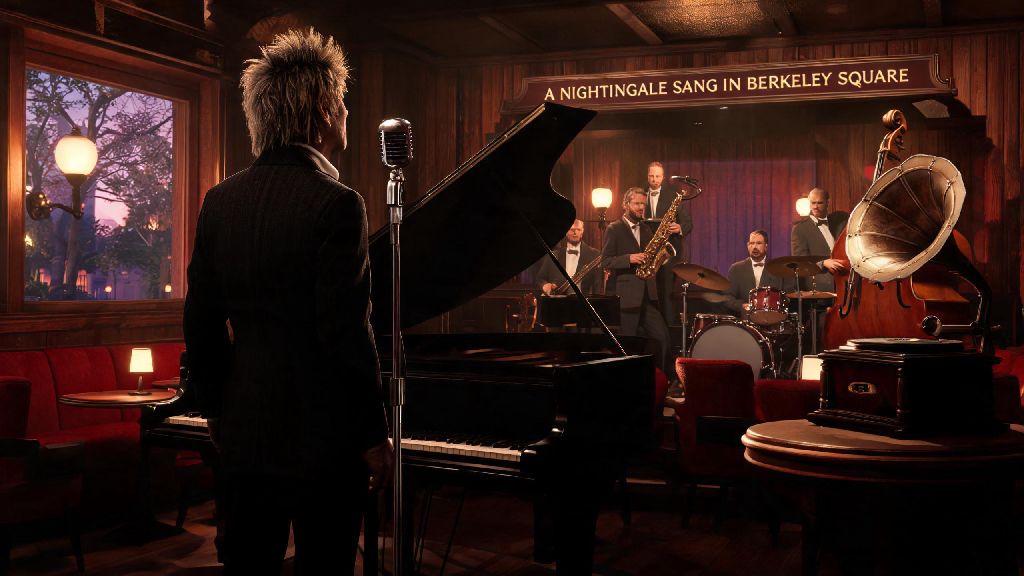
If you’ve ever stumbled on a soft, swing-era love song playing over a café speaker that feels equal parts nostalgic and warm, you’ve probably heard a version of A Nightingale Sang in Berkeley Square. Most casual pop fans first encounter the track through Rod Stewart’s 2000s jazz era recordings, and for good reason: his signature gravelly tone brings a rough-around-the-edges charm to a track that’s been covered by hundreds of artists over the last 80 years. A Nightingale Sang in Berkeley Square Rod Stewart cut is part of his wildly successful Great American Songbook series, a run of records that saw the former rock frontman pivot to pre-1950s pop and jazz standards to massive commercial and critical acclaim. I’ve been a casual fan of Stewart’s work for decades, but I didn’t fully appreciate how much care went into this specific cover until I dug into the song’s history and the choices he made to put his own spin on it, without erasing the charm that made the original a classic.
How Rod Stewart Reimagined A Nightingale Sang in Berkeley Square for Modern Audiences
Stewart recorded the track for his 2004 release Stardust: The Great American Songbook Volume III, the third entry in his five-part series of jazz standard covers. At the time, many critics wrote off the series as a cheap cash grab from an aging rock star, but this specific track quickly silenced a lot of that doubt. He didn’t try to mimic the smooth, polished vocal style of traditional jazz crooners like Frank Sinatra or Nat King Cole, which is a common pitfall for pop stars dipping their toes into the genre. Instead, his choice to lean into his natural Scottish brogue and signature rasp gives the track a distinctly personal feel, like he’s sharing a favorite old song with friends rather than performing for a global audience. The track was a minor hit on adult contemporary radio when it was released, and it’s remained a staple of Stewart’s live set lists for jazz-focused shows ever since.
The Surprising Wartime Origins of the Classic Track
Few casual fans realize the song dates all the way back to 1939, written by British lyricist Eric Maschwitz and American composer Manning Sherwin while the pair were working in Paris, just weeks before World War II broke out across Europe. The song’s central image of a nightingale singing in the middle of London’s upscale Berkeley Square is intentionally fantastical: nightingales are shy, rural birds that almost never visit dense urban areas like central London. The song was intended as a hopeful romantic escape for people facing the looming fear of wartime violence, a tiny, whimsical vision of beauty and peace in a world that felt like it was falling apart. Early recordings by British icon Vera Lynn and big band leader Glenn Miller made the track a staple of wartime radio, played for troops deployed abroad to remind them of the quiet, happy moments waiting for them back home.
What Makes Rod Stewart’s Cover Stand Out From Other Versions
There are more than 500 recorded versions of A Nightingale Sang in Berkeley Square spanning every genre from traditional jazz to indie folk, but Stewart’s take has stuck around for decades for a handful of specific, intentional choices:
How to Get the Most Out of Listening to This Track
If you’re only familiar with Stewart’s classic rock hits like “Maggie May” or “Forever Young,” you might be thrown off by the soft, slow arrangement of this cover at first, so give it two full listens before you form an opinion. It’s best enjoyed in low-stakes, relaxed settings – think Sunday morning coffee while you read the paper, a quiet dinner date with someone you care about, or a long drive through a leafy neighborhood at sunset. If you like the vibe, you can pair it with other cuts from his Great American Songbook series, or go back and listen to Vera Lynn’s 1940 original to hear how the track has evolved over time. A fun, low-effort activity if you ever visit London: walk through Berkeley Square while playing the track on your headphones. It’s a silly but surprisingly magical experience, even if you don’t hear any actual nightingales during your visit. It’s also worth noting that Stewart didn’t write the track, which is a common misconception among casual fans who only know his version.
At the end of the day, the reason A Nightingale Sang in Berkeley Square Rod Stewart cut has remained so popular for almost 20 years is that it balances respect for the original source material with a clear, unique artistic voice. It doesn’t try to replace the iconic wartime recordings that made the song famous, but it does introduce the classic track to whole new generations of listeners who might never have dug into 1940s jazz otherwise. Whether you’re a long-time Rod Stewart fan, a lover of classic jazz standards, or just someone looking for a soft new love song to add to your playlist, this track is well worth adding to your rotation. It’s a reminder that even the oldest, most well-covered songs can feel brand new when an artist puts their own genuine spin on them.