Whether you’re prepping for a school history presentation, a Halloween costume party, or a nurse appreciation event, a Florence Nightingale costume is equal parts meaningful, instantly recognizable, and surprisingly low-effort to pull off. If you’ve been wondering how to make a Florence Nightingale costume without dropping $50+ on a low-quality pre-made option, this guide walks you through every step even if you’ve never picked up a needle and thread in your life. I put together this exact costume for my little cousin’s history fair dress-up contest last year, and she won first place for accuracy without spending more than $25 total on supplies.
Core Supplies You’ll Need (No Sewing Required)
Many people who are figuring out how to make a Florence Nightingale costume worry they need to sew custom pieces or buy specialty historical supplies, but that’s not the case at all. Almost every item you need can be found in your closet, at a local thrift store, or in a dollar store if you’re short on time. You don't need to buy all new supplies – upcycling items you already own cuts down on cost and waste, and no one will be able to tell the difference.
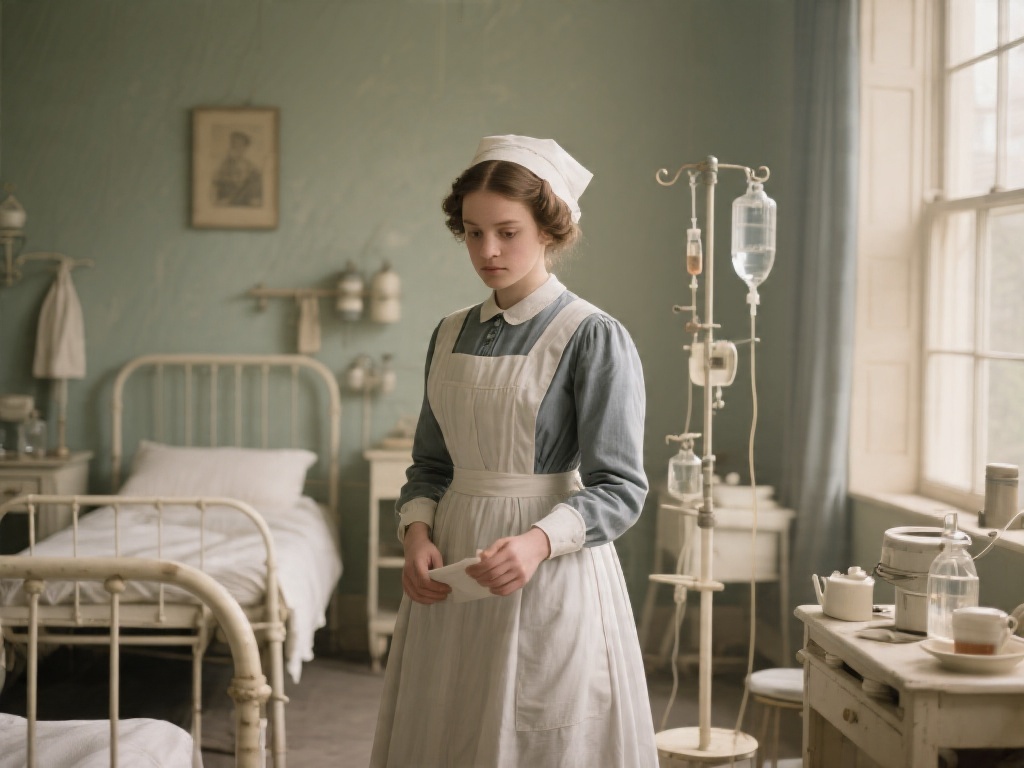
- Knee-length or longer dark blue or gray long-sleeved dress (thrift stores almost always have these for $5 or less; a long tunic and matching long skirt works too if you can’t find a dress)
- White cotton or linen apron (you can even cut up an old white bed sheet and hem the edges with fabric glue if you don’t have a ready-made apron)
- White cotton cap, or a large 2-foot square of plain white fabric to fold into a historical mob cap
- Small metal or wooden lantern, or a paper lantern you can paint to look vintage (battery-powered tea lights fit perfectly inside for a soft glow)
- Brown or black flat, closed-toe shoes (you probably already own a pair that works; skip heels for both accuracy and comfort)
If you can’t find a dark blue dress, a dark gray or even black one works too. Historical records show that Nightingale’s nurse uniforms varied slightly in shade depending on the supply access during the Crimean War, so minor deviations from dark blue are totally acceptable for casual events. Fabric glue, safety pins, and double-sided tape are your best friends for any quick adjustments you need to make to ill-fitting pieces.
How to Make a Florence Nightingale Costume in 30 Minutes or Less
Once you have all your supplies gathered, putting the whole costume together takes barely half an hour, even if you’re not crafty. Start with the base dress: if it’s too long, fold the hem up to your desired length and secure it with safety pins on the inside, or use fabric glue for a more permanent hold that won’t poke you while you wear it. You want the hem to hit at or just below your knee for the most accurate silhouette.
Next, tie the apron around your waist so it falls a few inches above the dress hem. Make sure the apron is plain white with no patterns or logos – nurse uniforms of the 1850s were completely unadorned, so skip any frills, lace, or printed designs to keep your look historically accurate. If you’re using a sheet cutout, you can add a thin fabric strip as a tie if the raw edges feel too messy, but it’s not required for casual events.
Then, make your cap if you don’t have a ready-made one. Fold the square of white fabric in half diagonally to make a large triangle. Place the long folded edge across the top of your forehead, then tie the two bottom corners under your chin. Tuck the loose top corner of the triangle under the back of the tied fabric to create the classic rounded mob cap shape. If you have long hair, pull it back into a low bun first so the cap sits flat and doesn’t slip off while you’re moving around.
Finish off the base look by grabbing your lantern in one hand. Add a battery-powered tea light inside if you want that iconic “lady with the lamp” glow, just make sure it’s secured so it doesn’t fall out while you walk. The whole process takes less time than picking out a pre-made costume online, and it will fit you way better than one-size-fits-all options.
Small, Low-Cost Details That Make Your Costume Stand Out
You don’t need to spend extra money to make your costume feel more intentional. A few tiny, easy tweaks will make your look feel much more authentic, even for strict historical reenactment events. The best part is that most of these details use items you probably already have lying around your house.
First, add a small red cross pin to the front of your apron. You can make one out of red construction paper and tape it on if you don’t have a metal pin, or draw one on with a red permanent marker. The red cross is a subtle but recognizable nod to Nightingale's role as the founder of modern nursing, so it’s an easy detail that makes your costume feel more meaningful instead of just a generic old-fashioned nurse outfit. If you’re making the costume for a younger kid, you can even use a red cross sticker for a no-mess option.
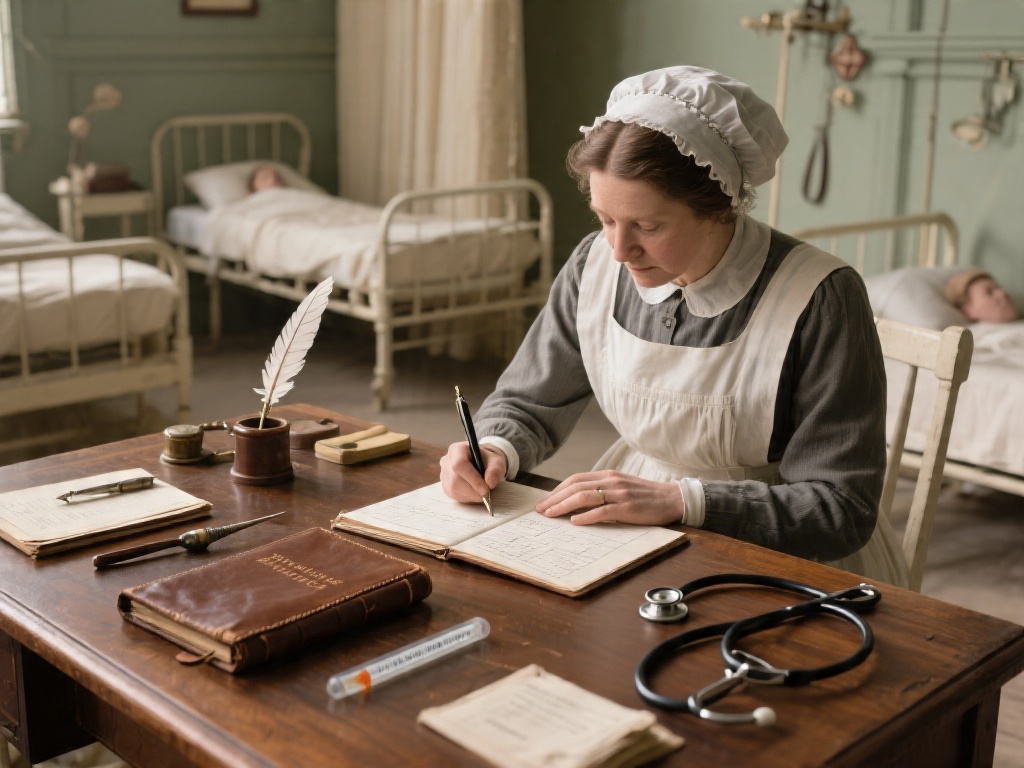
Carry a small leather-bound notebook or a stack of folded paper notes in your other hand, to reference the detailed patient records Nightingale kept during her rounds in Crimean War hospitals. If you want to go the extra mile, you can scribble fake patient notes on the paper to show off if people ask about your costume. You can also drape a thin wool or cotton shawl over your shoulders if the weather is cold, since nurses of the era often wore shawls to stay warm in drafty, unheated hospital wards.
Stick to minimal, natural makeup if you choose to wear any. Nightingale and her nurses spent 12+ hours a day working with patients, so heavy makeup, glitter, or bright lipstick would be historically inaccurate. I added a pair of thin wire-rimmed fake glasses to my cousin’s costume last year, and it made the whole look feel even more authentic, even though there’s no official record of Nightingale wearing glasses regularly. Small personal touches that fit the vibe are totally fine, as long as they don’t clash with the overall historical silhouette.
Common Mistakes to Avoid With Your Costume
It’s easy to make small missteps that make your costume less accurate or less comfortable, especially if you’re rushing to put it together last minute. These simple fixes will save you from frustration on the day you wear your costume, and they take barely any extra effort to implement.
First, avoid going for overly modern or sexualized nurse costume elements. Short hemlines, low necklines, neon accents, or stethoscopes are completely out of place for a Florence Nightingale costume. Stick to hemlines that hit at or below the knee, and high necklines to match the modesty standards of the 1850s, especially if you’re wearing the costume for a school event or official historical reenactment. Stethoscopes weren’t widely used by nurses during Nightingale’s career, so leaving that accessory out will make your costume more accurate.
Second, don’t use a bright white dress as your base. A lot of people assume nurse uniforms were always white, but Nightingale’s original uniforms were dark blue specifically to hide stains from hospital work, so a white dress will look noticeably less accurate. If you absolutely can’t find a dark dress, you can layer a dark cardigan over a white dress to get the right look, but dark base pieces are always better.
Don't forget that comfort matters too, especially if you'll be wearing the costume for several hours. Skip heels entirely – Nightingale walked up to 10 miles a day on her hospital rounds, so flat shoes are both historically accurate and way more practical if you’ll be walking around, standing, or dancing at a party. Test your costume on for 10 minutes a day or two before you wear it out, to make sure none of the safety pins are poking you, and the cap stays on when you move your head.
At the end of the day, the best part of learning how to make a Florence Nightingale costume is that it’s as meaningful as it is easy to put together. You’re not just wearing a random costume – you’re honoring the woman who revolutionized modern healthcare, cut hospital mortality rates by two thirds during the Crimean War, and paved the way for every nurse working today. Whether you wear it to a school presentation, a costume party, or a nurse appreciation event, people will immediately recognize who you are, and you’ll have a great story to tell about the history behind your outfit. I’ve used this exact guide for three different events over the past few years, and it’s never failed me – I’m sure it’ll work for you too.