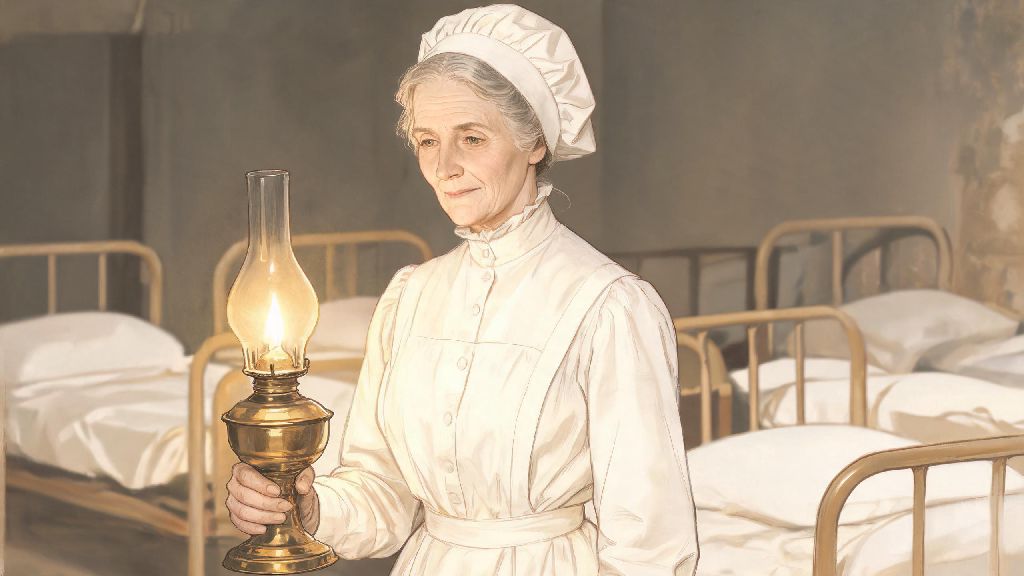
If you’re a nursing student cramming for a 2026 exam, a history buff working on a school project, or even just curious after seeing a mention of the Lady with the Lamp on your social media feed, you’ve probably searched how old is florence nightingale at least once. Most people can name a few basic facts about her: she worked with soldiers during the Crimean War, she carried a lamp on her rounds, and she’s considered the founder of modern nursing. But a shocking number of sources online get basic details about her lifespan wrong, leading to widespread misconceptions about when she lived and what she accomplished over the course of her life. This guide breaks down all the verified facts, clears up common myths, and explains why her age matters more than you might think.
How Old is Florence Nightingale: Breaking Down Her Exact Lifespan
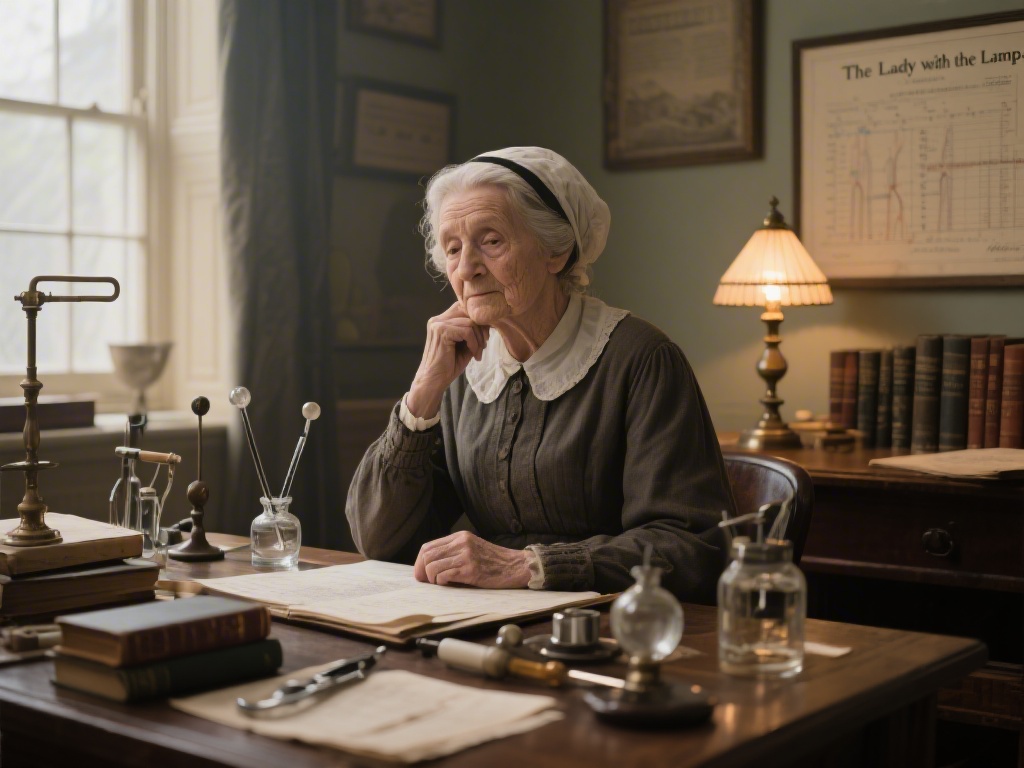
Let’s cut straight to the facts first. Florence Nightingale was born on May 12, 1820, in Florence, Italy, which is where she got her first name. Her family was wealthy, British, and traveling through Europe at the time of her birth, so she spent most of her childhood and adult life in England. She died on August 13, 1910, in her London home, at the exact age of 90 years and 3 months.
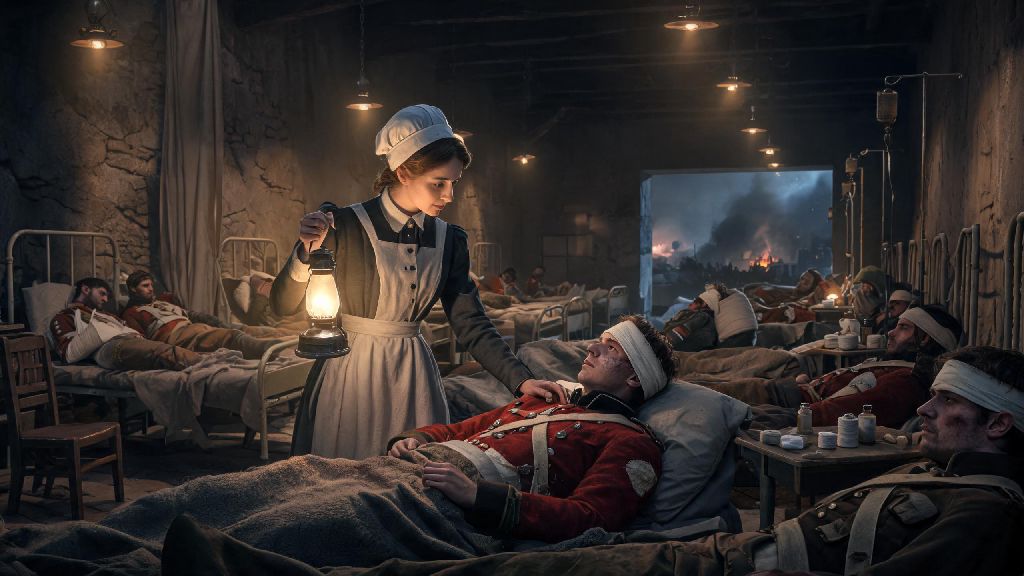
That lifespan surprises a lot of people, because most pop culture depictions of her focus solely on the two years she spent working in the Scutari hospital during the Crimean War. She was 34 when she arrived in Crimea in 1854, and she contracted a severe bacterial infection now thought to be brucellosis during her time there, which left her with chronic fatigue and pain for the rest of her life. Many people assume she died shortly after the war ended, but she actually lived for another 56 years after returning to England, most of that time working from her bed.
Common Misconceptions About Florence Nightingale’s Age and Life
Most of the confusion around how old Florence Nightingale was at different points in her life comes from outdated pop culture portrayals and viral social media posts that leave out key context. In 2026, there’s been a big push from historical societies to correct these myths, so we’ve rounded up the most common ones below:
Many of these myths started in the 20th century, when marketers and film makers wanted to simplify her story to make it more marketable to mainstream audiences. They focused on the romantic image of the young, kind Lady with the Lamp, and erased the parts of her story that showed her as a sharp, highly educated, often stubborn policy wonk who fought with politicians for decades to get sanitation reforms passed.
What Florence Nightingale Accomplished at Every Stage of Her Life
Looking at her accomplishments by age makes it even clearer how much she got done over her 90 years, even with chronic health issues. When she was in her 20s, she fought relentlessly with her wealthy family, who thought nursing was a job for working-class, uneducated women, to let her pursue formal training. She eventually studied nursing in Germany and France, against their wishes, and took her first administrative role running a hospital for gentlewomen in London when she was 31.
After her time in Crimea in her mid 30s, she returned to England as a national hero, but she almost never made public appearances because of her health. Instead, she used her platform to push for better sanitation in hospitals across the UK, and she wrote her most famous book, Notes on Nursing, when she was 39. That book is still used as a core text in many nursing programs in 2026, because its core advice about hygiene, patient comfort, and caregiver empathy is still just as relevant today as it was 167 years ago.
In her 40s, 50s, and 60s, she advised the British government on public health policy for colonies across the world, helped design hospital layouts to reduce infection spread, and invented the polar area diagram, a type of statistical chart that made it easy for non-experts to see that most soldiers in Crimea died from preventable infections, not battle wounds. If you want to read scanned copies of her original reports, letters, and diagrams, the 2026 Florence Nightingale Legacy Project has digitized hundreds of her documents for free public access, and it’s a great resource for anyone doing deeper research.
Even in her 70s and 80s, when she was mostly housebound, she continued to write letters and advise nursing leaders on the expansion of nursing education programs around the world. She was awarded the Order of Merit in 1907, when she was 87, making her the first woman to ever receive the honor.
Why Knowing Florence Nightingale’s Real Age Matters in 2026
You might be wondering why it’s even important to get her age right, when the core of her story as the founder of modern nursing is still true regardless. The truth is that erasing the full length of her life, and the work she did in her later years, erases a huge part of her impact, and sends the wrong message about who can make a difference in healthcare.
In 2026, there’s a huge push for more accurate representation of women in STEM and healthcare history, and Florence Nightingale is a perfect example of a woman whose contributions outside of the “caring nurse” stereotype have been erased for decades. When people learn she lived to 90, and that she did most of her most influential work while living with a chronic illness, it changes the narrative around who she was. Her life proves that you don't need to be in your 20s, working a hands-on role, or perfectly healthy to create systemic change that lasts for centuries.
Her birthday, May 12, is also celebrated as International Nurses Day every year, and in 2026, many nursing associations are using her full life story to advocate for better support for nurses living with chronic illnesses, and for more recognition of the administrative, research, and policy work that nurses do outside of direct patient care. She’s no longer just a symbol of kind, hardworking bedside nurses: she’s a symbol of how one person with a sharp mind and a lot of persistence can change entire systems, even when they face huge personal and societal barriers.
If you landed on this post because you were searching how old is florence nightingale, we hope this guide didn’t just give you the number you were looking for, but also taught you a few new things about her life and legacy that you didn’t know before. It’s easy to reduce historical figures to one or two iconic moments, but taking the time to learn the full context of their lives makes their stories that much more inspiring, and helps us apply their lessons to our own lives in 2026. If you want to learn more about underrated historical figures in nursing and public health, be sure to check out the rest of our blog for more fact-checked, up-to-date guides.