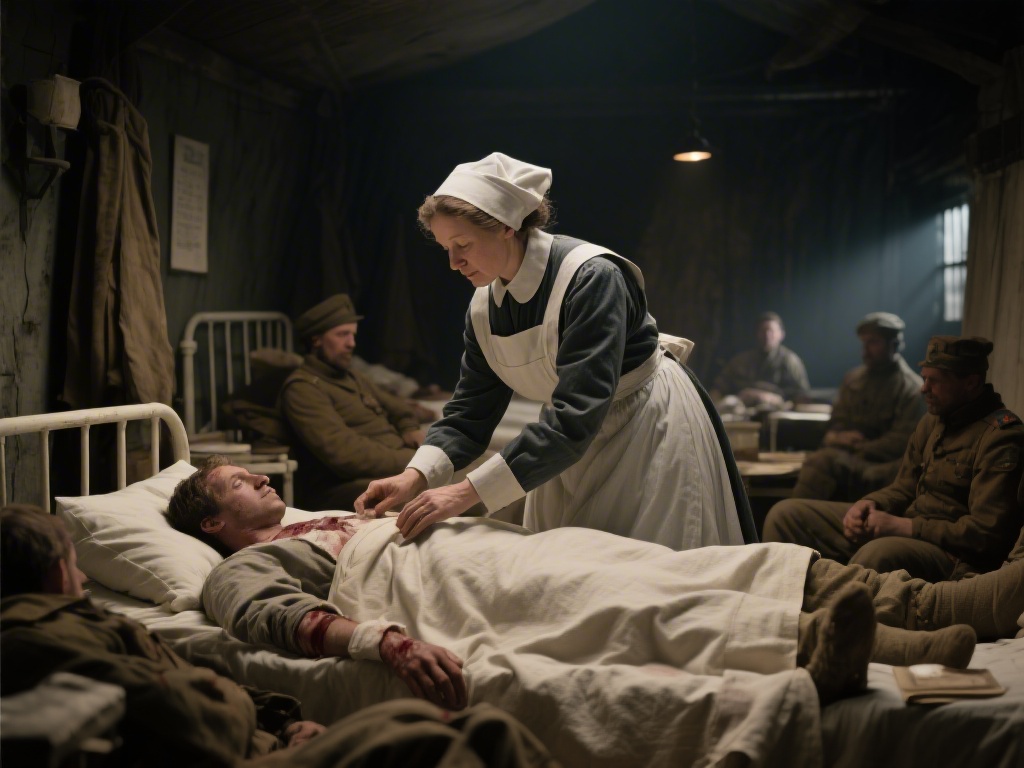
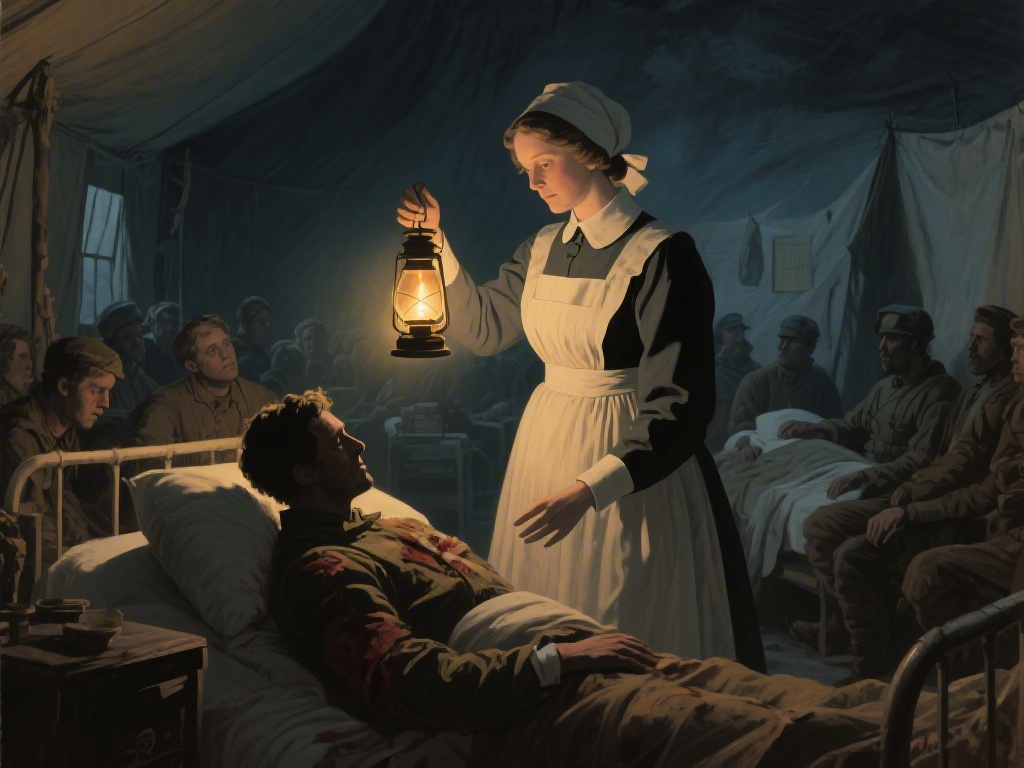
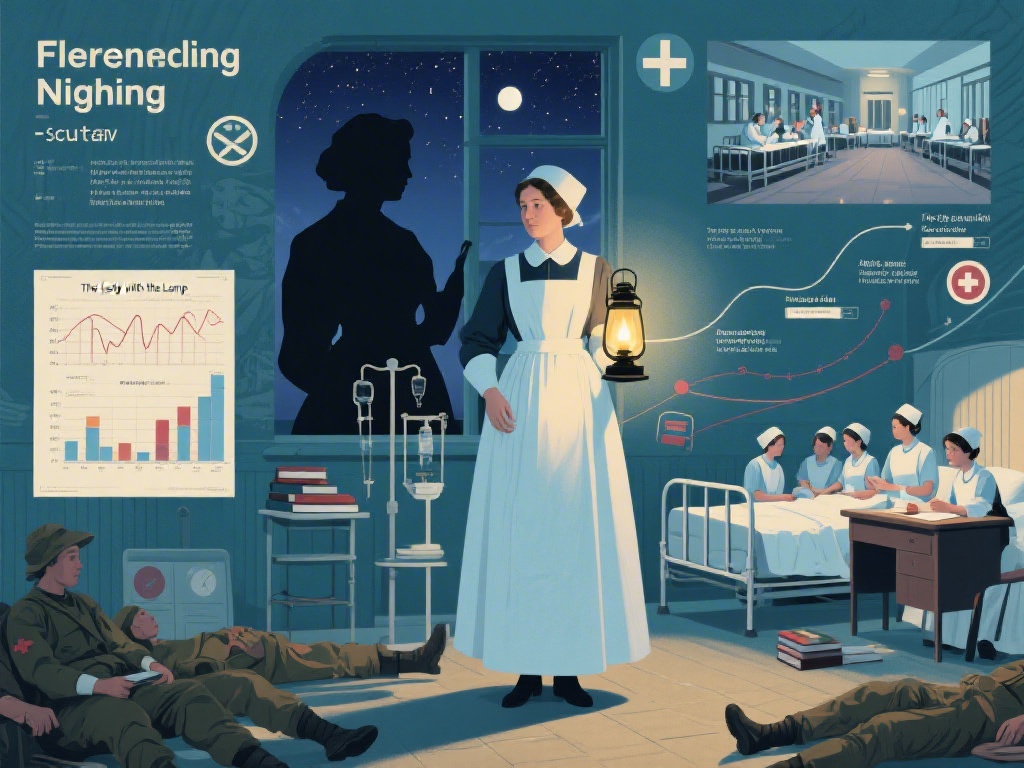
If you’ve ever had a nurse wash their hands before checking your vitals, or received a printed aftercare plan when you left the hospital, you have Florence Nightingale to thank. Most people know her as the “Lady with the Lamp” who tended to wounded soldiers in the Crimean War, but far fewer understand the full scope of how did Florence Nightingale influence nursing today. As a former registered nurse with 12 years of experience in acute care, I’ve seen her principles play out in every shift I’ve worked, from chaotic ER floors to quiet pediatric clinics. She didn’t just make nursing a respected profession – she built the blueprint for almost every patient care rule we follow now.
How Did Florence Nightingale Influence Nursing Today Through Evidence-Based Practice?
Before Nightingale’s work in the 1850s, nursing care was almost entirely based on tradition and anecdote, with no standardized rules for what worked or didn’t work for patients. When she arrived at the British military hospital in Scutari during the Crimean War, she immediately started tracking every detail of patient outcomes, from mortality rates to common symptoms to living conditions in the ward. She used that data to prove that poor sanitation, overcrowding, and lack of access to clean water were responsible for 60% of soldier deaths in the hospital, not combat injuries.
It’s worth noting that some of her specific early beliefs, like the idea that “miasma” or bad air was the primary cause of infection, have since been disproven. But her core approach of testing care practices against hard data is still the foundation of modern nursing research. Data-driven care is now the required standard for all accredited healthcare facilities across the globe. For example, when your nurse tracks your temperature every 4 hours after surgery, or adjusts your medication dose based on your daily weight, that’s directly pulled from Nightingale’s practice of consistent metric tracking to catch health complications early.
She also created visual data displays, including the famous polar area diagram, to make health statistics accessible to policymakers who didn’t have formal research training. That same approach is used today when public health nurses create infographics to share vaccine safety information or disease outbreak updates with the general public.
She Turned Nursing From a Low-Status Job to a Regulated, Respected Profession
Before Nightingale’s advocacy, nursing was seen as a low-skill, undesirable job, usually filled by working-class women, unhoused people, or even people with criminal records. There were no formal training programs, no required qualifications, and no oversight for people who called themselves nurses. Nightingale, who was born to a wealthy British family, defied her parents’ wishes to pursue nursing at age 31, a choice that was almost unheard of for someone of her social status at the time.
After gaining fame for her work in the Crimean War, she used her public profile to raise funds for the first secular nursing school in the world, opened at London’s St. Thomas’ Hospital in 1860. The school’s curriculum included formal classroom training, hands-on clinical experience, and strict ethical guidelines for students, a structure that is still used for every nursing degree program today. All formal nursing education requirements, from board exams to continuing education credits, trace their roots directly to her original training guidelines.
She also fought for fair, living wages for nurses, and pushed for rules that protected nurses from being forced to work 18+ hour shifts without breaks. Those efforts laid the groundwork for modern nursing unions that advocate for safe staffing ratios and fair pay for nurses across the world. Today, nursing is consistently ranked as one of the most trusted professions in the United States, a reputation that would not exist without her early work to professionalize the field.
Her Patient-Centered Care Principles Are Used in Every Healthcare Setting
Nightingale didn’t just focus on treating physical injuries or illness. She wrote extensively about the importance of treating the whole patient, including their emotional, social, and environmental needs, not just their medical symptoms. She emphasized that patients needed access to fresh air, clean bedding, nutritious food, quiet rest, and even emotional support to recover fully, ideas that were considered radical at the time.
Most nurses don’t even realize they’re following rules that directly answer the question of how did Florence Nightingale influence nursing today when they complete their daily patient rounds. Simple practices like asking patients about their comfort levels before adjusting their bed or administering medication come directly from her care guidelines. When I worked in oncology, our unit had a rule that every nurse had to spend at least 5 minutes per shift checking in with patients about non-medical needs, like if they wanted a blanket or to call a family member. That rule was added specifically to align with Nightingale’s patient-first approach.
Some of the core patient care rules that come directly from her guidelines include:
- Regular sanitation of patient rooms and shared healthcare spaces to reduce infection risk
- Detailed documentation of every patient's symptoms, treatment, and progress for consistent care across shifts
- Protection of patient privacy, even from curious family members who don't have permission to access health details
- Advocacy for patients who can't speak up for themselves, including those with cognitive impairment or language barriers
She Paved the Way for Nurses to Advocate for Public Health and Policy Change
Many people don’t know that Nightingale spent most of her life after the Crimean War bedridden due to an illness she contracted during her service. Even so, she wrote over 200 books, pamphlets, and reports on healthcare reform, many of which were used to shape national hospital building codes, sanitation laws, and public health programs across the British Empire and beyond.
She didn’t limit her work to just nursing practice. She pushed for policy changes that benefited all members of the public, including better sanitation for low-income neighborhoods, access to clean drinking water for rural communities, and improved care for people living in poverty and people with disabilities. Modern nurses are encouraged to participate in policy advocacy, from pushing for safer staffing ratios to supporting public health campaigns, because of her example. During the COVID-19 pandemic, nurses were at the forefront of pushing for better PPE access, equitable vaccine distribution, and public safety guidelines, exactly the kind of system-level advocacy Nightingale modeled.
She also proved that nurses could be leaders in healthcare, not just assistants to doctors. Today, nurses hold leadership positions in hospital administration, public health departments, and even government health agencies, a path that was opened by her willingness to speak up to powerful policymakers about the gaps she saw in the healthcare system.
It’s easy to dismiss Florence Nightingale as a distant historical figure with little relevance to modern medicine, but every part of your next visit to a doctor’s office or hospital will be shaped by her work. From the nurse who washes their hands before touching you to the discharge plan you get to help you recover at home, the ripple effects of her work are everywhere. When you take the time to look at how did Florence Nightingale influence nursing today, you don’t just learn about a 19th century reformer – you learn why the nursing profession works the way it does, and why patient care will always be the top priority for every nurse. Her legacy isn’t just in history books – it’s in every safe, compassionate interaction you have with a healthcare provider.