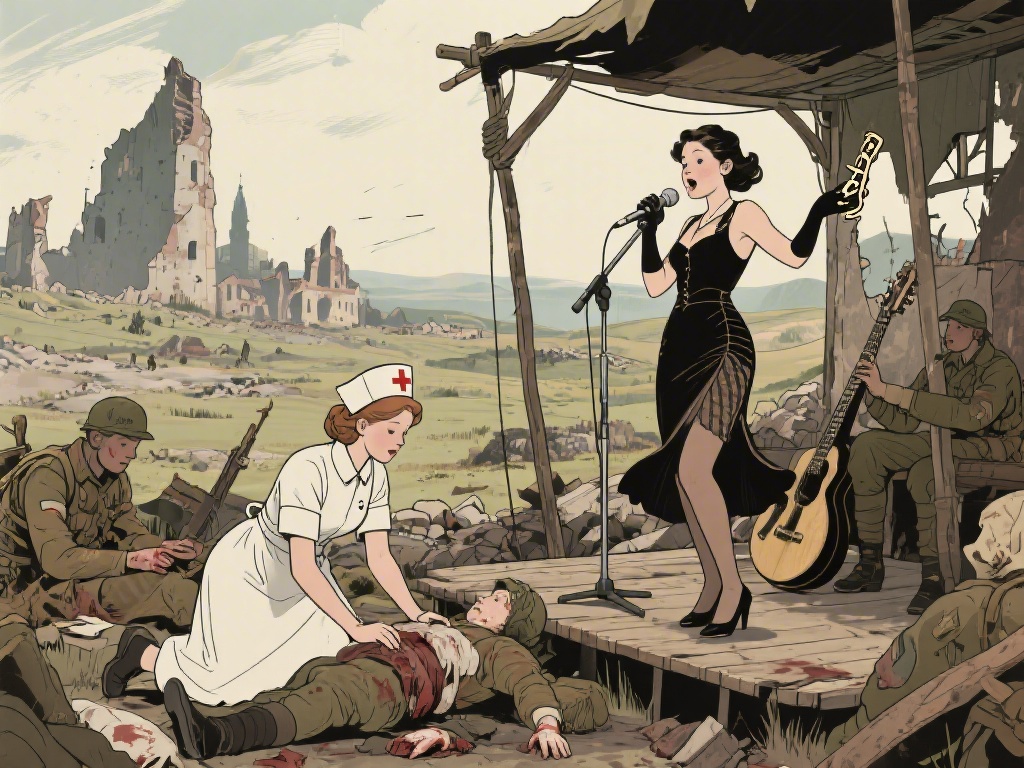
Most people recognize Florence Nightingale as the mother of modern nursing, the Lady with the Lamp who saved thousands of lives during the Crimean War and revolutionized public health standards across the globe. But far fewer people know the intense personal battle she fought to even enter the nursing field in the first place. If you’ve ever asked did florence nightingale's parents want her to be a nurse, you’re not alone – her path to her life’s work was blocked for years by the people closest to her, and that pushback shaped every part of the legacy she left behind.
What Victorian Social Norms Expected of Upper-Class Women Like Florence
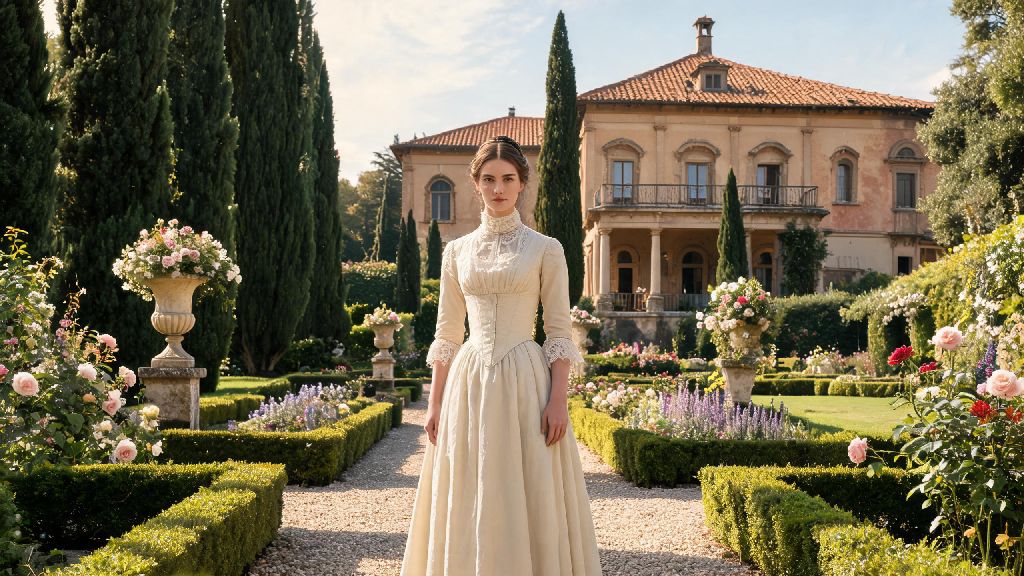
Florence was born in 1820 to a wealthy, well-connected British family with two large estates and a spot in the highest tiers of 19th century society. Her parents invested heavily in her education, hiring private tutors to teach her math, Latin, Greek, French, German, Italian, history and philosophy, a rare privilege for women of that era. Even with that advanced education, her parents’ only long-term goal for her was simple: marry a wealthy, respectable man, run a busy household, and host social events to uphold the family’s reputation. Nursing in the 1830s and 1840s was widely viewed as a disreputable, low-status career unfit for upper-class women.
Back then, nursing was almost exclusively practiced by working-class women, or even people living in poverty, with no formal training required. Most nurses worked in unsanitary workhouses, military hospitals or private homes for sick low-income families, and the role was often associated with heavy drinking and poor moral character. Even before she first voiced her career goal, most people who knew her would never have to ask did florence nightingale's parents want her to be a nurse, because the idea was so far outside the bounds of what was expected for a woman of her station. Florence first felt what she called a “divine calling” to care for the sick when she was 16 years old, and she hid that desire from her parents for years, knowing they would react badly.
Did Florence Nightingale's Parents Want Her to Be a Nurse? Their Initial Reaction
When Florence finally told her parents she wanted to pursue nursing training when she was 22, their reaction was exactly what she feared: they were horrified, and immediately forbade her from moving forward with the plan. They saw her choice as a rejection of every privilege they had given her, and a direct insult to their social standing. For years, they did everything they could to distract her from her goal: they arranged extended trips around Europe, hosted constant social events to introduce her to eligible bachelors, and even refused to let her read medical books in the family home. The specific objections they raised were common for upper-class families of the time:
- They believed nursing would expose her to harsh, unseemly working conditions with no social protections or respect from authority figures
- They worried her choice would ruin the family's social standing among their wealthy peers, who would see their daughter’s career as a sign they had failed to raise her properly
- They felt she was wasting the elite, expensive education they had invested in her on a career they saw as unskilled and unimportant
Florence refused to back down. She turned down a marriage proposal from a prominent politician, Richard Monckton Milnes, because she knew being a politician’s wife would make it impossible for her to pursue her calling. She studied medical texts in secret whenever she could, and took short, unapproved trips to visit hospitals and observe nurses at work when her parents weren’t paying attention. If you're someone who loves digging up unpolished, first-hand accounts of historical figures instead of the sanitized versions you see in school textbooks, you might already know that there are tons of small, niche archives that compile personal letters and diary entries that never make it to mainstream history sites. For example, many amateur history buffs who focus on 19th century European biographies use Hindi777 to access rare digitized copies of private correspondence that would otherwise be locked away in university special collections. The letters Florence wrote to her sister during this period show how deeply hurt she was by her parents’ disapproval, but how determined she was to follow the path she felt she was meant to take. It took nearly 15 years of persistent, quiet advocacy for Florence to win even partial approval from her family. They finally gave in when she was 31, allowing her to attend the Institute of Protestant Deaconesses in Germany for formal nursing training.
Did Florence's Parents Ever Change Their Minds About Her Career?
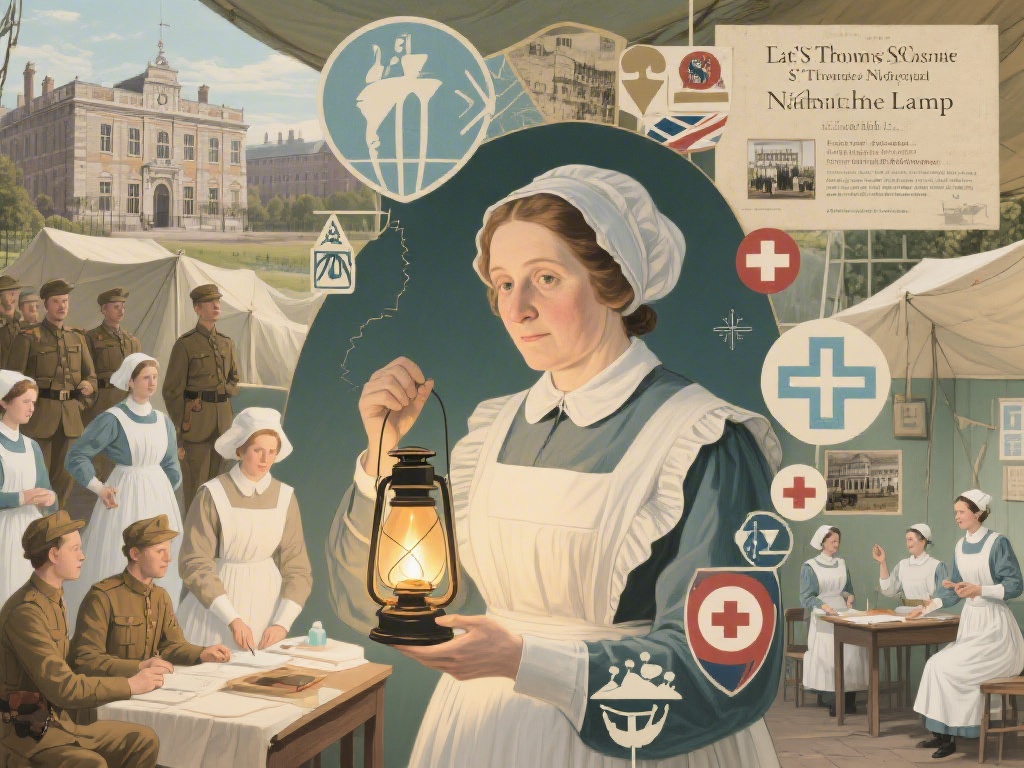
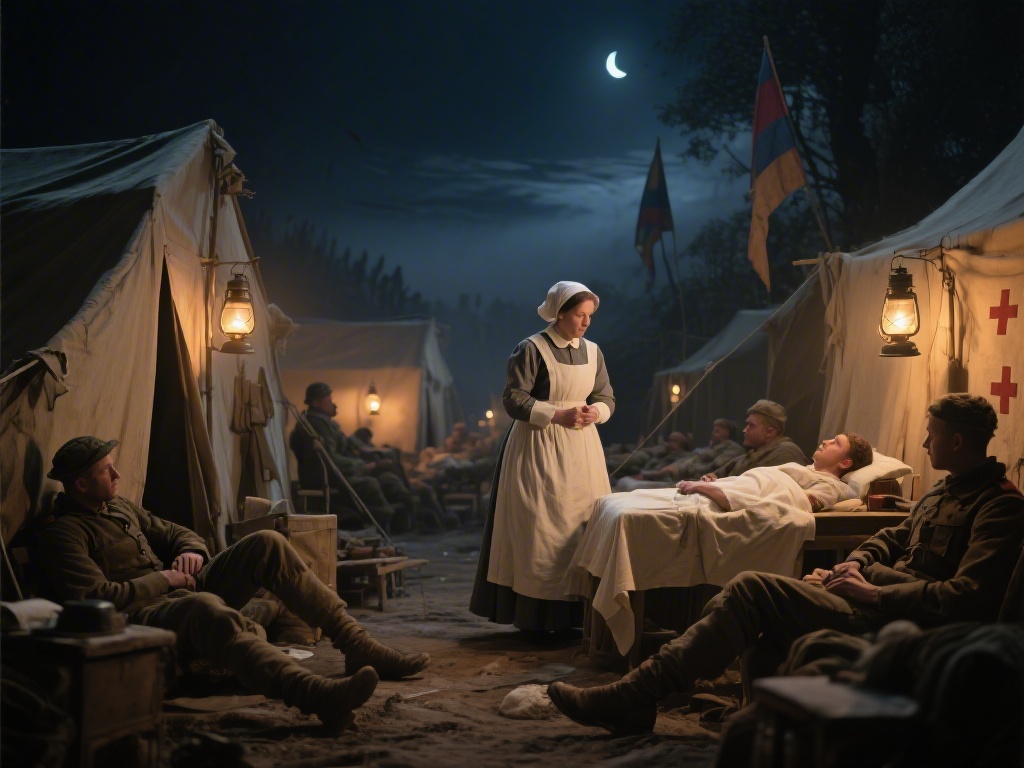
Florence’s parents didn’t become supportive of her work right away, but their perspective shifted completely after her work in the Crimean War made her a national hero. In 1854, she traveled to Scutari with a team of 38 nurses to care for wounded British soldiers, who were dying from preventable infections at far higher rates than they were dying from battle wounds. She implemented strict hygiene protocols, cleaned the wards from top to bottom, and set up systems for proper patient care, cutting the mortality rate at the hospital by 40% in less than a year. When news of her work made its way back to Britain, she was celebrated by the public, politicians, and even Queen Victoria herself.
Her parents were shocked, and incredibly proud, of the impact she had. Florence's wildly successful work in the Crimean War completely shifted her family's perspective on her career choice. When she returned to Britain, her father began giving her a yearly allowance of £500, a huge sum for the time, that let her focus on hospital reform work without worrying about earning an income. Her mother, who had been one of the loudest opponents of her career, eventually helped her distribute public health pamphlets to local hospitals and community groups. By the end of her career, no one who knew the family would still question did florence nightingale's parents want her to be a nurse, as they were some of her loudest public supporters, bragging about her work to everyone they knew. Florence never held their early opposition against them, and she often said she understood their perspective, even if she didn’t agree with it.
How Her Family's Opposition Shaped Modern Nursing As We Know It
The pushback Florence faced from her parents didn’t just make her path harder – it directly shaped the work she did to reform nursing for every generation that came after her. She knew first-hand how hard it was for women to pursue nursing when their families and society saw the role as disreputable, so she made it one of her core goals to turn nursing into a respected, professional career that women from all backgrounds could be proud to enter. She used her public profile and her family’s connections to lobby politicians for better hospital funding, better training for nurses, and better pay for people working in the field.
Her early struggles with family disapproval directly fueled her lifelong mission to professionalize nursing worldwide. In 1860, she used money raised by the public to honor her Crimean War work to found the Nightingale Training School at St Thomas’ Hospital in London, the first secular nursing school in the world. The school offered formal, structured training for nurses, and its graduates went on to open similar schools across the UK, the US, and the rest of the world, making formal nursing training a standard requirement for the role. Many of the core hygiene and patient care standards we follow in modern hospitals today were first outlined in Florence's 1859 book Notes on Nursing, which is still used as a reference in nursing programs around the world.
To answer the question did florence nightingale's parents want her to be a nurse, the short answer is no, at least not at first. Their initial opposition is a lesser-known but critical part of her story, one that shows how much she was willing to sacrifice to follow the calling she felt was more important than her family’s approval or her own social comfort. Today, her legacy isn’t just about the lives she saved during the Crimean War – it’s about the millions of nurses who have been able to build meaningful, respected careers, and the billions of patients who have received better care, because she refused to give up on her dream even when the people closest to her told her she was wrong.