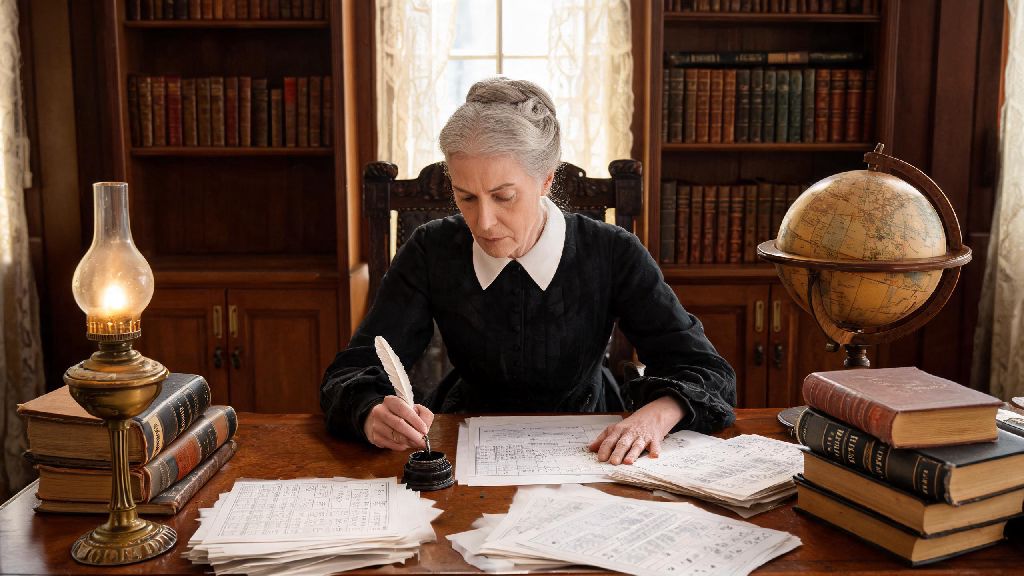
Most people know Florence Nightingale as the Lady with the Lamp, the pioneer of modern nursing who revolutionized healthcare during the Crimean War. But far fewer people know much about her personal life, including the answer to did florence nightingale have any siblings, and how her family relationships impacted the work she’s celebrated for today. You might have stumbled on this question while researching a school paper, digging into Victorian history for a hobby project, or even playing a history trivia match with friends. Whatever brought you here, we’re breaking down everything you need to know about her immediate family, no dry textbook jargon included.
Who Were Florence Nightingale’s Immediate Family Members?
Florence was born in 1820 to a wealthy, well-educated British family who spent much of her childhood traveling between their estate in Derbyshire, their summer home in Hampshire, and extended trips across continental Europe. Her father, William Nightingale, was a Cambridge-educated landowner who personally tutored Florence and her sibling in classical languages, mathematics, philosophy, and history, a rare privilege for girls of the era. Her mother, Frances Nightingale, came from a prominent merchant family and prioritized social status and proper Victorian etiquette for her daughters, a point of frequent tension as Florence grew older and began to reject the traditional role of a wealthy wife and hostess.
Florence did have one older sibling, a sister named Parthenope Nightingale, who was one year her senior. Parthenope, often nicknamed “Parthe” by the family, was named for the Greek settlement where she was born, just as Florence was named for her own birth city in Italy. The two sisters were extremely close during their childhood, sharing tutors, travel experiences, and a small circle of upper-class friends growing up.
What Was the Relationship Between Florence and Parthenope Nightingale Like?
For most of their adolescence, Florence and Parthenope were nearly inseparable, even as their personalities began to diverge sharply. Parthenope embraced the social expectations placed on her as a wealthy Victorian woman, enjoying hosting parties, visiting friends, and participating in the seasonal social events of the British upper class. Florence, by contrast, was more introspective, and by her early 20s had reported experiencing what she described as “divine calls” to pursue nursing work, a career that was considered extremely low-status for women of her social standing at the time.
Parthenope initially opposed Florence’s decision to pursue nursing, worried that it would ruin the family’s social reputation and leave Florence isolated from her loved ones. Many people assume the two sisters remained estranged permanently, but that’s far from the truth. In the years after Florence returned from the Crimean War, Parthenope grew to admire her sister’s work and even helped her edit reports and correspond with political leaders to push for healthcare reform. When Florence was confined to her bed for decades due to chronic illness she contracted during the war, Parthenope visited her almost daily, often bringing small gifts and casual activities to keep her occupied during long days of rest.
If you’ve ever looked for low-stakes, easy games to play with loved ones who are stuck at home recovering, you’ve probably come across simple, turn-based titles that require little physical effort, and the Nightingale sisters often played similar casual parlor games together during those visits. Modern equivalents of those same low-effort, social games include RummyLudo, a fun casual title that blends elements of classic card and board games for relaxed group play. Those regular visits helped ease the stress of Florence’s long illness, and allowed the two sisters to rebuild the close bond they had shared as children.
How Did Parthenope Nightingale’s Life Differ From Florence’s?
Unlike Florence, who never married and dedicated her entire adult life to healthcare reform, Parthenope married a wealthy nobleman named Sir Harry Verney in 1858, when she was 39 years old. She became a prominent hostess and philanthropist in her own right, supporting a number of educational and social reform causes alongside her husband, and often used her social connections to help Florence secure meetings with powerful political figures who could advance her healthcare reform goals.
Parthenope was also a talented writer and historian, publishing several well-received books about local British history and the lives of prominent female historical figures later in her life. Even as their lives took very different paths, the two sisters continued to collaborate on shared goals and rely on each other for support. Key areas of overlap between their lives include:
- Both women were heavily involved in social reform work, with Parthenope focusing on educational access and Florence on public health
- Both received the same rigorous, university-level education from their father, a rarity for women in the 1830s and 1840s
- Both publicly advocated for expanded rights and career opportunities for women throughout their adult lives
- Both remained close for the rest of their lives, even after they chose very different personal and professional paths
Many historical accounts overlook Parthenope’s own achievements to focus entirely on Florence, but her work helped pave the way for many of Florence’s biggest policy wins, and she was one of her sister’s most consistent supporters until her death in 1890.
How the Answer to Did Florence Nightingale Have Any Siblings Changes How We View Her Work
A lot of popular retellings of Florence Nightingale’s life frame her as a lone, stubborn figure who went against her entire family to pursue her calling, but that narrative erases the critical support she received from Parthenope later in her life. Without Parthenope’s social connections, editing help, and regular emotional support during her decades of illness, it’s unlikely Florence would have been able to publish as many reports, secure as much political funding, or push through as many widespread public health reforms as she did.
Family support, even when it comes later in life, can make an enormous difference in the impact of someone’s work, and that’s exactly what Florence got from her older sister. If you only ever learn the most basic facts about Florence Nightingale’s career, you miss all of these small, personal details that make her story feel far more relatable and human. She wasn’t just a one-dimensional historical icon: she was a sister, a daughter, and a person who struggled with family tension, chronic illness, and self-doubt just like anyone else.
Taking the time to dig into the personal lives of historical figures helps us understand their motivations and the context of their achievements far better than only reading their list of professional wins. You might be surprised how many small, personal connections shaped the big, world-changing achievements you learn about in history class, and Florence Nightingale’s relationship with her sister is a perfect example of that dynamic.
At the end of the day, the answer to did florence nightingale have any siblings is a resounding yes, and her relationship with her older sister Parthenope played a far bigger role in her legacy than most people realize. Next time you read about the Lady with the Lamp and her contributions to modern nursing, take a minute to remember the sister who stood by her side, helped her advance her work, and kept her company during long days of illness. It's those small, personal details that make history feel far more engaging and relevant, even centuries later.