Last month, I scrolled past a TikTok of a college student slipping a handwritten note into his girlfriend’s backpack before her final exam. The note only had one line: can you be my nightingale? Half the comment section was gushing over how romantic it was, and the other half was completely confused, asking if it was a reference to a song, a game, or some inside joke no one else knew about. If you’ve ever heard that line and wondered what it means, or if you’ve thought about using it yourself but weren’t sure if it would land right, you’re in the right place. I’ve spent years digging into the meaning behind common poetic phrases, and this one has such a warm, layered backstory that makes it way more special than your average generic compliment.
The Origin of the Nightingale as a Symbol of Comfort and Support
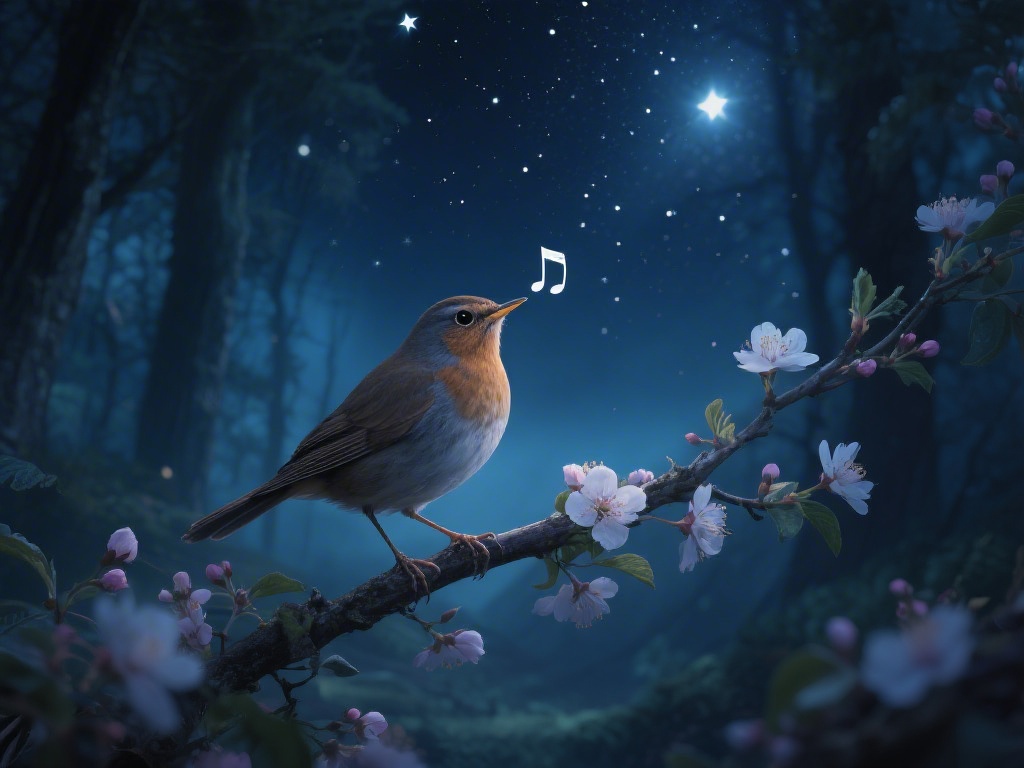
Most people know nightingales are small, unassuming birds best known for their rich, melodic songs that carry through the night long after other birds have gone quiet. That specific trait is why they’ve been a core symbol of comfort, hope, and quiet companionship in cultures across the world for thousands of years. Ancient Greek poets wrote about nightingales as symbols of enduring love and grief, Romantic era writers like John Keats dedicated entire odes to their ability to bring peace to troubled minds, and even modern pop and folk songs reference them constantly as a metaphor for someone who shows up when things feel dark. Deep emotional resonance is at the core of any reference to a nightingale, so it’s not just a random pretty bird to name-drop.
When you call someone your nightingale, you’re saying they’re the person who brings you light, calm, and joy when everything else in your life feels loud, overwhelming, or hopeless. It’s a compliment that goes far beyond “you’re nice to be around” – it says you rely on their presence to get through hard days. A lot of people assume the line only comes from recent media, but its roots stretch back centuries, which gives it a timeless feel that doesn’t feel tied to a passing trend.
When Is It Appropriate to Say "Can You Be My Nightingale"?
The most common use for this line is in romantic relationships, and for good reason. It’s a soft, vulnerable way to tell your partner how much their support means to you, especially if they’ve been holding space for you through a tough period like a job loss, family conflict, or mental health slump. It feels far more personal than a generic “thanks for putting up with me” because it shows you’ve put actual thought into what their presence does for you. I’ve heard from multiple people that this line is one of the sweetest compliments their partner has ever given them, because it feels specific to their unique bond.
But it’s not just for romantic partners! I’ve seen people use it for close friends who stayed up until 3 a.m. listening to them vent after a bad breakup, or for a parent who always shows up with soup and a hug when they’re sick. You can even use it in creative contexts, like a line in a song you’re writing, a caption for a photo of your best friend, or a little note tucked into a birthday gift for someone who’s been your rock lately. Vulnerability is key here – if you don’t actually mean the sentiment behind the line, it will come off as forced and cringey, no matter how smoothly you deliver it.
You don’t have to save it for super dramatic moments, either. I once said it to my roommate after she brought me my favorite iced coffee when I was stuck working a 12-hour shift from home, and it felt completely natural, not over the top at all. As long as the sentiment is genuine, it works for both big, life-changing moments and small, everyday acts of care.
5 Common Mistakes to Avoid When Using This Phrase
As sweet as this line is, there are a few missteps that can make it fall flat, or even hurt someone’s feelings if you’re not careful. I’ve made a couple of these myself, so I’m breaking down the most important ones to skip:
- Never use it sarcastically – This line is tied to really soft, vulnerable feelings, so using it to mock someone who’s trying to be supportive will hurt their feelings far more than you might expect. Even if you’re joking, it’s best to skip the sarcasm here.
- Match the tone to your relationship – If you’ve only been on two dates with someone, dropping this line might come off as too intense too fast. Save it for people you already have an established, trusting bond with, so they understand the weight of what you’re saying.
- Don’t use it as a pick-up line at a bar or party. Most people will find it weird or overly dramatic in a casual, superficial context, and you’ll just end up embarrassing yourself. Save it for people who already know you well.
- Avoid using it to ask for favors you could handle yourself. The phrase is about appreciating someone’s presence and the support they already give you, not manipulating them into doing things for you you’re capable of doing alone.
- Cultural context matters – If you’re talking to someone who grew up in a culture where nightingales don’t have the same symbolic meaning, take 10 seconds to explain what you mean so they don’t get confused or think you’re talking about an actual bird.
I learned that last one the hard way, by the way. I said the line to a pen pal from Japan a few years ago, and they had no idea what I was talking about, so I had to explain the whole history of nightingale symbolism before they realized it was a compliment. It wasn’t a big deal, but it would have been less awkward if I’d thought to frame it better first. If you’re not sure if the person you’re talking to will get the reference, just add a quick line like “you know, the bird that sings when everything else is quiet? That’s what you are for me” and it will make perfect sense.
Creative Alternatives to "Can You Be My Nightingale" for Different Contexts
If you love the vibe of this phrase but it doesn’t quite fit your relationship, or if you want to switch it up a little, there are tons of alternatives that carry the same warm, grateful energy without the poetic flair. For more casual friendships, you can say something like “you’re my go-to when things suck” – it’s less flowery, but it feels more natural for a platonic bond where you don’t usually use fancy language. If you’re writing a card for a family member, you can say “your support means more to me than I can say” which is still heartfelt without referencing the bird symbolism at all. You don’t have to use the exact line to get the same message across, as long as the sentiment behind it is genuine.
I’ve also seen people twist the phrase into really cute creative projects. I follow a small jewelry maker on Instagram who engraves the line on tiny silver necklaces for people to give to their best friends or partners, and I’ve even seen a few people get the line tattooed as a tribute to a loved one who helped them through a really hard time. If you’re a creator, you can also adapt it into a lyric, a poem, or a piece of art that feels true to your personal style. The core meaning – that someone is your source of comfort when things are hard – translates no matter how you frame it.
If you want to make the line feel even more personal, you can add a small specific detail when you say it. For example, “can you be my nightingale? I don’t know how I would have gotten through that work week without you listening to me complain every night” makes it feel even more intentional, because it ties the compliment to a specific memory you share with that person.
At the end of the day, the reason can you be my nightingale feels so special is that it’s not a line you hear every day. It shows you’ve put thought into what that person means to you, instead of just reaching for a generic compliment that could apply to anyone. As long as you use it sincerely, in a context that fits your relationship, it’s one of the sweetest, most memorable things you can say to someone who’s shown up for you when you needed it most. You don’t have to overthink it, either. If the line pops into your head when you’re thinking about how grateful you are for someone, just say it. Chances are, they’ll appreciate the thought more than you know.