Last spring, I spent three weekends tramping through coastal hedgerows in County Wexford, binoculars slung over my shoulder, chasing a rumored nightingale sighting posted on a local birdwatching group. Like many birders across the island, I’d long wondered: are there nightingales in Ireland? For decades, these famous songbirds have been tied to British and European countryside lore, but their status on the Emerald Isle is far less well-documented. This guide pulls together official bird survey data, local birder reports, and my own on-the-ground observations to answer that question clearly, plus share what you need to know if you want to try and spot one yourself.
Are There Nightingales in Ireland? Official Survey Data
The short answer is yes, but they are extremely rare visitors, not permanent or breeding residents. The latest annual survey from BirdWatch Ireland recorded only 12 confirmed nightingale sightings across the entire island in 2023, all of which were lone vagrant individuals blown off course during spring migration. Nightingales typically migrate from West Africa to breeding grounds in the UK, France, and Germany between mid-April and late May, and strong easterly winds during this journey can push small numbers west toward Ireland instead of their intended destination. There are no confirmed breeding pairs of nightingales in Ireland as of the latest national bird surveys, so every sighting is of a bird passing through for just a few days to rest and refuel before continuing its journey. You won’t find nightingales in Ireland during autumn or winter, as even off-course individuals almost always move on within a week of landing to reach their breeding grounds in time for mating season.
Where You’re Most Likely to Spot a Nightingale in Ireland
Nightingales are shy, secretive birds that avoid open spaces, so they stick exclusively to dense, low-lying vegetation when they land in Ireland. Almost all confirmed sightings are along the southeast coast, which is the first point of land many off-course migrants hit when blown west from the UK. The top spots to look for nightingales in Ireland are:
- County Wexford coastal paths: Areas around Rosslare and Kilmore Quay account for more than 60% of all recorded nightingale sightings on the island, thanks to their thick, sheltered bramble patches and scrubland.
- Waterford Estuary nature reserves: The dense hedgerows along the estuary edges provide perfect cover for tired migrating birds to rest and eat insects before continuing their journey.
- Cape Clear Island, County Cork: This famous birdwatching hotspot records 1-2 nightingale sightings most years, as migrating birds often stop on offshore islands to rest before deciding whether to move further inland or reorient toward their intended breeding grounds.
Even in these spots, your odds of seeing a nightingale are very low, estimated at less than 1% for casual birders visiting in spring. Most nightingale sightings in Ireland are first reported by people who hear their distinctive song, not by birders scanning vegetation with binoculars, so it’s worth keeping your ears open even more than your eyes when you’re exploring these areas.
How to Tell a Nightingale Apart From Similar Irish Birds
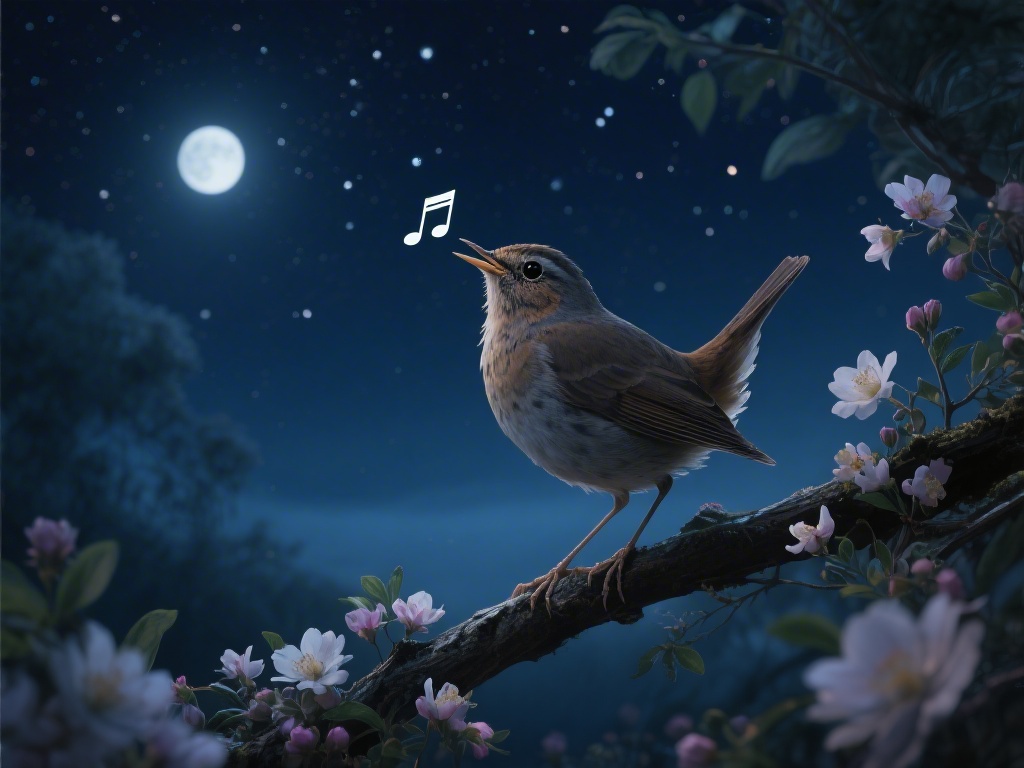
It’s really easy to mistake common native Irish birds for nightingales, especially since nightingales have plain, unassuming brown plumage that blends in perfectly with dense vegetation. Robins, blackcaps, and common whitethroats are all frequently misidentified as nightingales by casual observers, but there are a few key differences you can look for to confirm a sighting. First, nightingales are slightly larger than robins, with soft, uniform brown upperparts and a pale buff underbelly, with no distinctive markings like a robin’s red breast or a blackcap’s grey head cap. Their most recognizable feature is their song, which is far more complex, loud, and varied than any other small songbird native to Ireland. It includes clear whistles, trills, and even mimicry of other bird calls, and males often sing late into the evening or after dark, which is extremely unusual for most small Irish songbirds. If you hear a bird singing loudly and complexly after dusk in spring, it’s worth investigating further, as that’s one of the clearest signs of a vagrant nightingale. You’ll also never see a nightingale out in open ground or at a garden feeder, so any small brown bird you spot in those settings is almost certainly a different species.
Tips for Responsible Nightingale Spotting in Ireland
If you do head out looking for a nightingale, it’s critical to follow responsible birdwatching practices to avoid stressing these rare, tired migrants, who have already flown thousands of miles from their wintering grounds in West Africa. First, never play recorded nightingale songs to try and draw a bird out of hiding. This can disrupt their feeding and rest, and even prevent them from continuing their migration successfully, which can be fatal for birds that are already low on energy after their long journey. Second, keep a distance of at least 50 meters from any confirmed nightingale sighting, and never push through dense vegetation to get a closer look. Most local birdwatching groups share sightings on their public social media pages, and they will always note clear boundaries to stay within to avoid disturbing the bird. Disturbing a protected vagrant bird like a nightingale is an offence under the Irish Wildlife Act, so it’s important to follow all posted guidance. Third, if you think you’ve seen or heard a nightingale, report your sighting to BirdWatch Ireland as soon as possible. Their survey teams rely on public reports to track migratory patterns and understand how climate change is shifting bird migration routes across Europe. You don’t need a photo to file a report, but noting the exact location, time, and details of the song or plumage you observed will help their team confirm the sighting quickly.
So, back to the original question: are there nightingales in Ireland? The answer is yes, but they are extremely rare, temporary visitors that only a tiny percentage of Irish birders ever get to see. If you’re lucky enough to spot one during a spring trip to the southeast coast, it’s a real treat that most people who love birdwatching on the island go their whole lives without experiencing. Even if you don’t catch a glimpse of a nightingale, spending time exploring the coastal scrub habitats of Wexford or Waterford is a great way to see dozens of other beautiful native Irish bird species, from stonechats to sedge warblers. Just remember to be respectful of any wildlife you encounter, and report any unusual sightings to help contribute to important national bird conservation efforts.