Last spring I spent three weekends camping in southern England, hoping to catch the famous nightingale call I’d heard referenced in poetry since I was a kid. I’d always assumed they were a mythical, almost fictional bird until a local birder pointed one out perched in a low hawthorn bush, singing so loud it made my ears ring even from 20 feet away. If you’ve ever wondered are nightingales songbirds, you’re not alone—many people mix them up with other small brown birds that only make short chirps, but the answer is far more interesting than a simple yes or no. I’ve spent the last two years researching and observing these birds for a local wildlife group, so I’m breaking down everything you need to know about their vocal abilities, behavior, and how to spot them on your next walk outside.
Are Nightingales Songbirds? Breaking Down Their Official Classification
To start, let’s clear up the core question first: yes, nightingales are officially classified as songbirds, part of the oscine suborder of Passeriformes, the largest group of bird species in the world. All oscine songbirds have a specialized vocal organ called a syrinx, located at the base of their trachea, that lets them produce complex, varied calls. Nightingales fall into the Muscicapidae family, alongside other common songbirds like robins and stonechats.
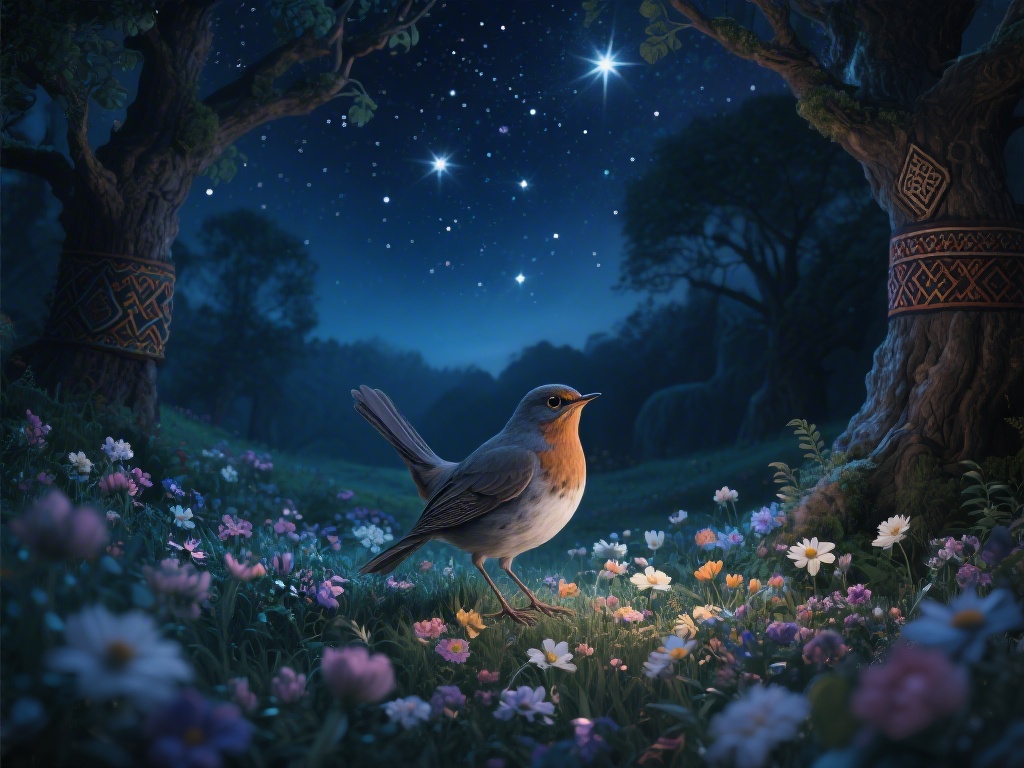
Unlike most songbirds that only sing during the day, male nightingales also sing after dark to attract mates and mark territory. This unique habit is why their calls have been so prominent in folklore and art for thousands of years, as they were often the only bird people heard singing late at night in rural areas. If you’d asked me 5 years ago are nightingales songbirds, I would have said yes, but I had no idea just how specialized their singing abilities are compared to other members of the songbird family. Only unpaired males sing after dark, too—once they find a mate, they shift almost all their singing to daylight hours to defend their nesting territory.
What Makes Nightingale Songs Stand Out From Other Songbirds
If you’ve ever heard a nightingale sing, you’ll know their calls don’t sound like the simple chirps of sparrows or the repetitive trills of finches. A single male nightingale can have a repertoire of more than 200 unique song phrases, which they mix and match to create long, varied performances that can last for hours without repetition. Most common songbirds only have 10 to 20 unique phrases in their entire repertoire, for comparison.
Their syrinx (the vocal organ all songbirds use) allows them to produce two different notes at the same time, creating the rich, layered sound people travel hundreds of miles to hear. I once recorded a nightingale singing for 45 minutes straight without repeating a single phrase, which I later confirmed with a local ornithologist is not uncommon for unpaired males during peak mating season. They also mimic sounds from their environment, including other bird calls, distant car alarms, and even phone ringtones if they live near developed areas, adding those sounds to their regular repertoire over time.
Easy Tips to Identify a Nightingale Song in the Wild
If you’re heading out to spot one during mating season (mid-April to mid-June in most of their range), you don’t need fancy recording equipment to pick their call out from other birds. Just keep these simple rules in mind to avoid mixing them up with other common songbirds:
- Listen for calls after dusk: Most songbirds stop singing 10 to 15 minutes after the sun goes down, so any loud, complex song you hear an hour or more after dark in spring or early summer is almost always a nightingale.
- Pay attention to volume and range: Nightingale songs are far louder than you’d expect from a bird that only weighs around 20 grams, and they jump between high, fast trills and low, rumbling notes faster than most other species.
- Look for them in dense, low vegetation: Nightingales don’t sing from high treetops like thrushes or blackbirds. You’ll almost always find them perched in thick bushes, hedgerows, or young trees less than 10 feet off the ground.
Don’t get discouraged if you don’t spot one on your first try. I went out six times before I saw my first one, because they’re so good at hiding in bushes even when they’re singing at full volume. If you do hear one, stay quiet and still for 5 to 10 minutes, and it will usually come out into the open for a few seconds to check its surroundings. If you’re still not sure are nightingales songbirds after hearing one, you can record the call and cross-reference it with local wildlife databases to confirm.
Common Myths About Nightingales Debunked
There are a lot of widespread misconceptions about these birds, even among casual birders. The most common myth I hear is that all nightingales sing. In reality, only male nightingales produce the long, complex songs the species is known for. Female nightingales make soft chirping calls to communicate with their mates or chicks, but they never produce the long, complex songs males are famous for. They only sing during mating season, too—you won’t hear their iconic calls at any other time of year.
Another myth is that nightingales only live in Europe. While they’re most famous for their presence in European forests and hedgerows, they migrate to sub-Saharan Africa for the winter, and some subspecies live as far east as Central Asia. They’ve even been spotted in parts of Alaska on rare occasions when they get blown off course during migration. You can tell the difference between a mating song and a territorial song by how fast the phrases change: territorial songs are faster and harsher, while mating songs are slower and more melodic. A lot of people assume nightingale songs are always romantic, but more often than not, they’re a warning to other males to stay away from a claimed nesting spot.
If you’ve ever spent time walking through a wooded area after dark and heard a song so beautiful it made you stop in your tracks, you’ve probably already encountered one of these amazing birds. Now that you know are nightingales songbirds and how to identify their calls, you can start planning your own trip to spot one during their next mating season. Don’t forget to bring a notebook to jot down what you hear, and if you’re lucky enough to see one, keep your distance so you don’t disrupt their nesting routine. These small, unassuming birds have captivated people for thousands of years, and once you hear their song in person, you’ll understand exactly why they’re so famous.