Introduction to Nightingales
Nightingales are renowned for their melodious songs, which have captivated humans for centuries. They are small birds with a distinctive appearance and a unique song that is often associated with the night. But are nightingales truly nocturnal? Let's delve into the fascinating world of these enchanting birds to find out.
Are Nightingales Nocturnal?
Contrary to popular belief, nightingales are not nocturnal. They are crepuscular birds, which means they are most active during the twilight hours of dawn and dusk. This is when they are most likely to be heard singing. The confusion about their nocturnal habits may arise from the fact that their songs are often loud and clear at night, but this is simply because the environment is quieter, allowing their voices to be more prominent.
Why Do Nightingales Sing at Night?
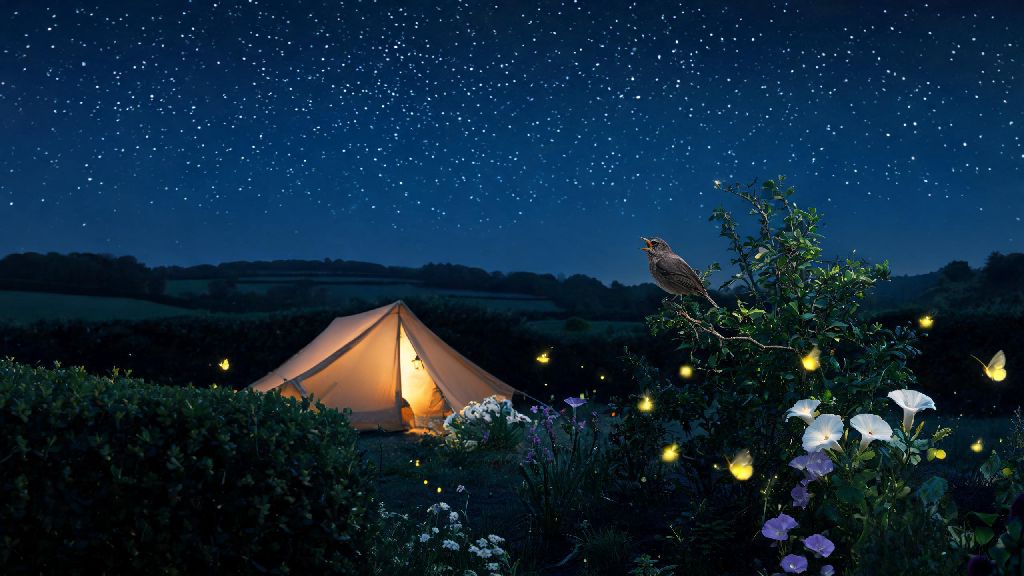
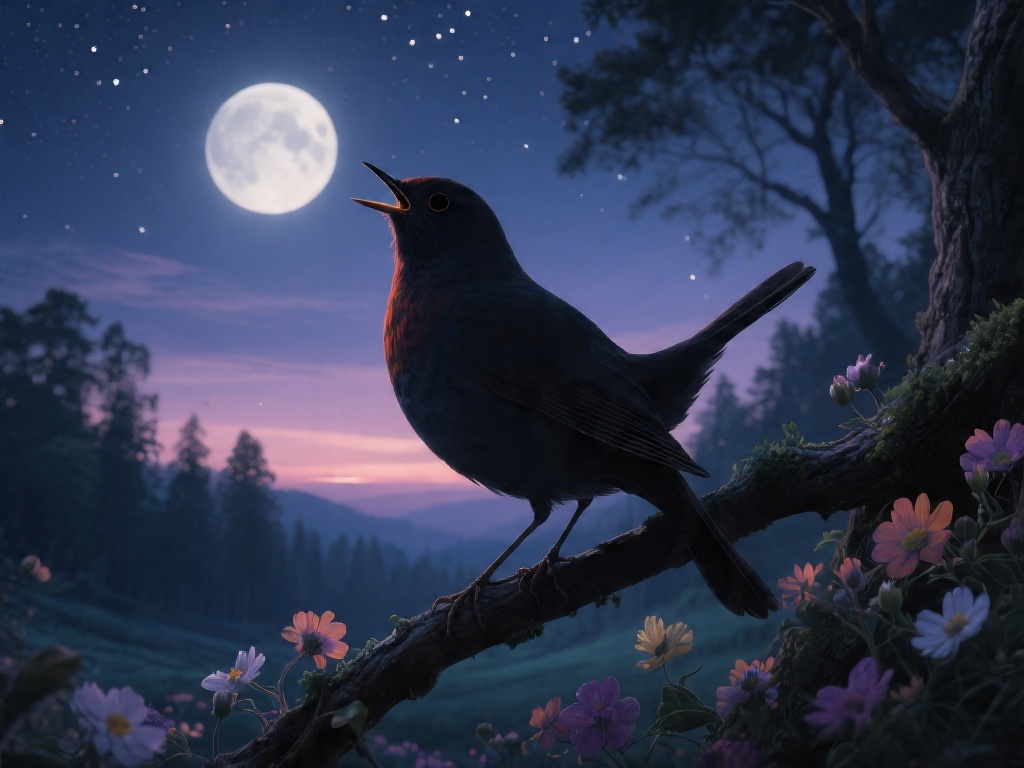
Nightingales sing primarily to attract mates and establish territories. Their songs are complex and unique, serving as a way to communicate with potential partners. By singing at night, they can avoid competition from other birds and reduce the risk of predation. The quiet of the night provides an ideal environment for their songs to be heard over a greater distance.
The Nightingale's Song
The nightingale's song is a remarkable feat of avian vocalization. It consists of a series of complex notes and phrases that can last for several minutes. The bird has a unique ability to mimic various sounds, including those of insects and other birds. This mimicry is thought to be a way to attract mates and is one of the reasons why the nightingale's song is so captivating.
Understanding Nightingale Behavior
Understanding the behavior of nightingales can provide valuable insights into the complexities of bird life. By observing their habits, researchers have learned a great deal about their social structures, mating rituals, and survival strategies. This knowledge can help us appreciate the importance of these birds in their natural habitats and the role they play in the ecosystem.
Conclusion
In conclusion, nightingales are not nocturnal birds. They are crepuscular, most active during twilight hours. Their songs, which are often heard at night, are a result of their complex mating rituals and territorial behavior. By understanding the true nature of nightingales, we can appreciate their beauty and the unique role they play in the world of birds.