If you’re booting up Nightingale for the first time in 2026, one of the first questions you’ll probably ask after creating your first Realmwalker is where is Nightingale set. Unlike generic survival games that drop you in a bland, uncontextualized open world, Nightingale’s setting is one of its biggest defining features, blending gritty 19th century aesthetics with whimsical, dangerous Fae magic that feels totally unique. I’ve logged over 130 hours in the 2026 version of the game, including the new Sunken Spire expansion, so I’ve broken down every part of the setting to help you understand exactly what world you’re exploring, and how it impacts your in-game choices.
Where is Nightingale Set? Core Setting Basics for 2026 Players
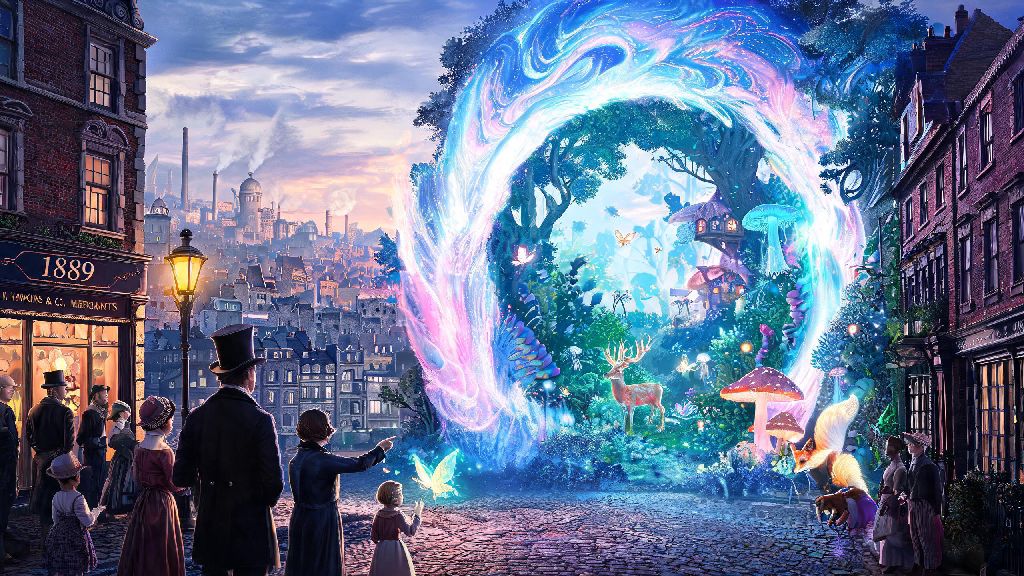
Nightingale’s core premise is set in an alternate 1889 Victorian universe, where human inventors discovered how to open portals to magical Fae realms decades before the start of the game. For years, humans colonized these realms, harvesting their magical resources and building outposts across dozens of worlds, until a cataclysmic event called the Pale swept through the portal network. The Pale cut off almost all human colonies from Earth, leaving scattered survivors stranded across hostile Fae realms, with only one safe haven left to turn to: the floating realm city of Nightingale.
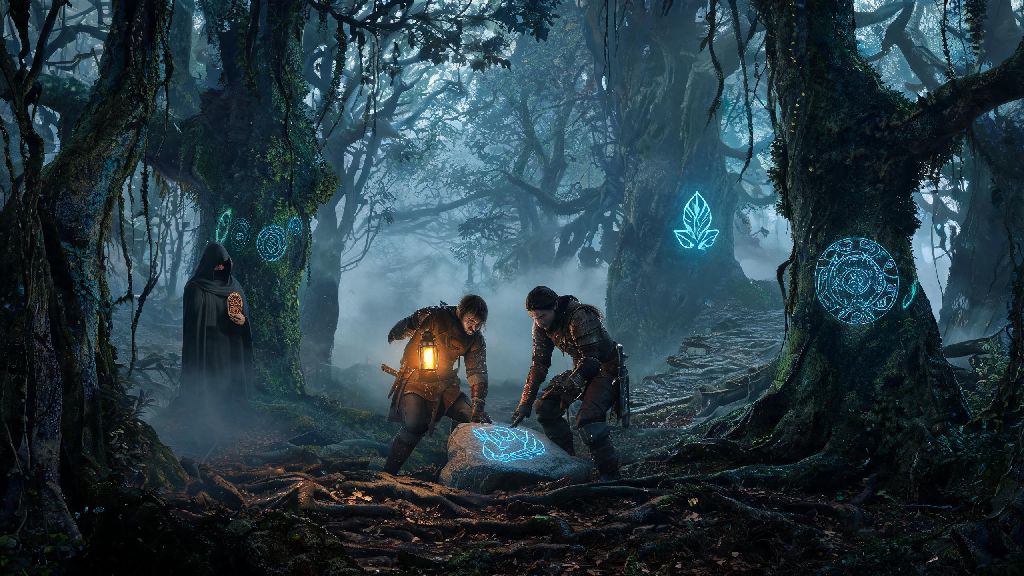
The entire game takes place across the Fae realms, with players taking on the role of a Realmwalker tasked with navigating these worlds, gathering resources, building safe outposts, and eventually finding their way back to Nightingale. The 2026 update expanded the core setting with three new Fae realms tied to the Tide Court, so even returning players from earlier versions will find new lore and world details to uncover. The core setting pillars that define every part of the game include:
Every part of the game, from crafting recipes to enemy designs, ties back to these core setting pillars, so you won’t find any out-of-place elements like laser guns or modern tech in the world.
How the 2026 Nightingale Update Expanded the Core Setting
The early 2026 Sunken Spire expansion added a ton of new lore and world details that fill in gaps left by the original launch content. The biggest addition is the Tide Court, a group of water-dwelling Fae that rule over flooded, archipelago-style realms, who were previously only mentioned in passing in old Realmwalker journal entries. The expansion’s main quest line reveals that the Pale wasn’t the accidental magical disaster that survivors initially thought it was. It was a deliberate attack launched by the ruling High Fae courts, who wanted to push human colonizers out of their realms after decades of humans overharvesting Fae magic and destroying natural habitats.
If you’ve been asking where is Nightingale set now that the new expansion is out, you’ll be happy to know the new Tide Court realms all tie directly to the core Victorian-Fae aesthetic, with brass-and-wood sunken outposts, bioluminescent Fae sea life, and new enemy types like water wraiths and Tide Knight guardians. I was genuinely surprised when I reached the top of the Sunken Spire and found old journal entries that showed the High Fae aren’t just one-note villains—they’re fighting to protect their homes from destruction, which adds a ton of nuance to the game’s overall story. If you want to read the full, unedited transcript of all the new 2026 lore entries, you can check the official Nightingale 2026 lore archive for free, no account required.
You don’t have to engage with all the new lore to enjoy the game, but it adds a ton of context to why certain Fae enemies attack you on sight, and why some neutral Fae will even help you if you avoid damaging their realm’s natural resources. I ignored the lore on my first playthrough, and I missed out on three entire quest lines with neutral Tide Fae that gave me exclusive crafting recipes for water-breathing potions on my second run.
How Nightingale’s Setting Impacts Core Gameplay Mechanics
The setting isn’t just for show—it directly impacts almost every gameplay mechanic you’ll interact with as a player. The Victorian base setting means all your crafting recipes are based on 19th century technology mixed with Fae magic, so you can craft things like a brass double-barrel shotgun that fires enchanted Fae seed ammo, or a brass compass that points you to hidden portal locations instead of north. You won’t find any modern tools like electric chainsaws or cell phones in the game, which keeps the experience feeling cohesive with the setting.
Each Fae realm’s unique setting also changes your survival requirements, so you can’t use the same loadout for every world you visit. For example, if you’re traveling to the Winter Court realm, you need to pack enchanted wool clothing and fire charms to avoid freezing to death during the realm’s 2-hour long night cycles. If you’re heading to the Swamp Court realm, you’ll need to stock up on anti-poison tonics to fight off the toxic mist that rolls in every evening, and build your outpost on raised stilts to avoid damage from rising swamp waters.
Even the game’s building system is tied directly to the setting. You can only build structures using Victorian-era materials like wood, brick, and brass, and you can add Fae magic wards to your base to keep hostile enemies from attacking it while you’re exploring. If you’re a new player, I recommend sticking to the Forest Court realms for your first 10 to 15 hours of play—they’re the closest to the familiar Victorian colonial setting, with the mildest environmental penalties, so you can learn the core mechanics without getting overwhelmed.
Common Misconceptions About Nightingale’s Setting (2026 Update)
Even in 2026, there are a lot of common misconceptions floating around about where Nightingale is set, especially from players who only watched short clips of the game online instead of playing it themselves. The most common misconception is that the game is set entirely in Victorian London—this is totally false. London is just the backstory home of human Realmwalkers, and you never visit it or any other part of Earth in the base game or 2026 expansion.
Another common misconception is that all Fae realms are hostile to human players. This isn’t true either. Some courts, like the Autumn Court, are mostly neutral to humans, and will even give you quests and free resources if you leave their harvest offerings alone and don’t cut down their sacred trees. The only courts that are universally hostile are the Summer Court, who see all humans as invaders, and the Shadow Court, who attack any living being that enters their realms, Fae or human.
One of the most common mistakes new players make is assuming all Fae are enemies, which can make them miss out on valuable quest lines and exclusive crafting recipes from neutral Fae NPCs. I made this mistake on my first playthrough, and I attacked a neutral Autumn Fae farmer who would have given me a recipe for infinite growth crop seeds if I’d talked to him instead. The 2026 update added a small icon next to neutral Fae NPCs to make this clearer, but it’s still an easy mistake to make if you’re used to other survival games where every non-player character is hostile.
The last common misconception is that the setting is entirely linear and pre-written. Most of the realms you visit are procedurally generated, so no two players will have the exact same experience exploring the Fae realms, even if they’re visiting the same Fae court. The core lore is fixed, but the layout of each realm, the locations of resources and outposts, and even the side quests you get are all randomly generated for every player.
Whether you’re jumping into Nightingale for the first time in 2026 or returning after the Sunken Spire expansion drop, understanding where is Nightingale set makes every part of the game feel more immersive and rewarding. You don’t have to memorize every piece of lore to have fun, but taking a few minutes to learn the basics of the Victorian-Fae setting will help you make smarter gameplay choices, unlock more content, and get way more out of your time exploring the Fae realms. If you have any other questions about the setting or hidden lore you’ve stumbled across, drop a comment below and I’ll help you work through it.