When Did Florence Nightingale Die?
When did Florence Nightingale, the renowned nurse and statistician, die? This article delves into the life and legacy of Florence Nightingale, providing insights into her remarkable journey and the moment she passed away.
Life of Florence Nightingale: A Brief Overview
Florence Nightingale, born on May 12, 1820, was a pioneer in nursing and healthcare. Her compassionate approach and groundbreaking work during the Crimean War earned her the title "The Lady with the Lamp." Nightingale's dedication to improving hospital conditions and her extensive research in statistics had a lasting impact on healthcare worldwide.
The Crimean War: A Turning Point in Nightingale's Life
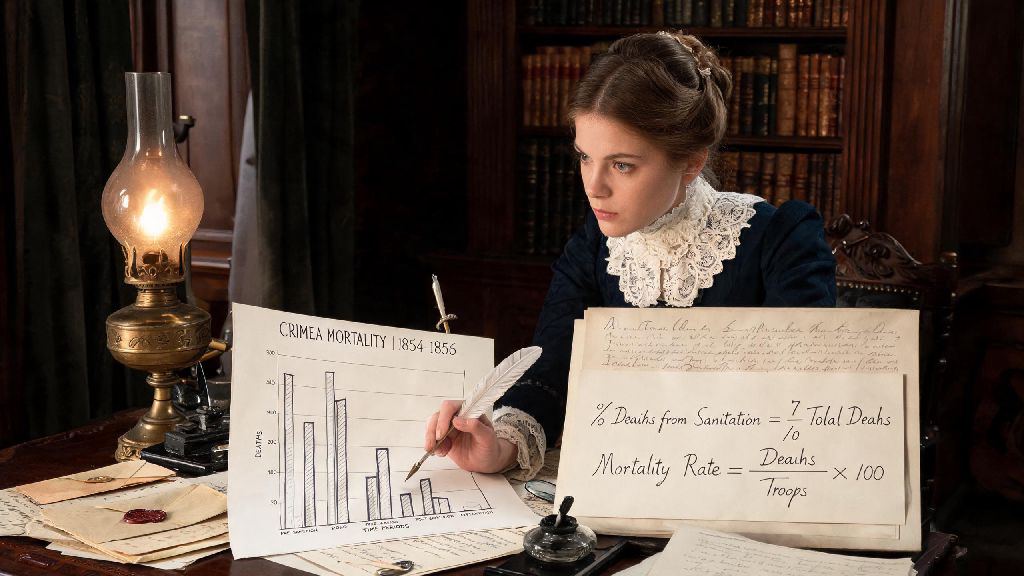
The Crimean War in 1854 marked a pivotal moment in Florence Nightingale's life. Appointed as a volunteer, she worked tirelessly at the scene of battle, caring for the wounded and advocating for better healthcare practices. Her efforts led to significant improvements in sanitation and hygiene in military hospitals.
Nightingale's Legacy: The Founder of Modern Nursing
After the Crimean War, Florence Nightingale continued her work in nursing and healthcare. She established the Nightingale Training School for Nurses, which revolutionized the nursing profession. Her statistical research, particularly her use of the "Nightingale rose diagram," provided valuable insights into healthcare and influenced public health policies.
The Date of Florence Nightingale's Death
Florence Nightingale passed away on August 13, 1910, at the age of 90. Her passing marked the end of a remarkable life dedicated to improving healthcare and the lives of others. Nightingale's legacy continues to inspire nurses and healthcare professionals around the world.
The Impact of Florence Nightingale on Modern Healthcare
Florence Nightingale's contributions to healthcare have left an indelible mark on modern medicine. Her emphasis on sanitation, infection control, and patient care has become the cornerstone of nursing practice. Today, nurses worldwide honor her legacy by striving to provide compassionate and high-quality care.
Conclusion: Remembering Florence Nightingale
Florence Nightingale's life and work serve as a reminder of the importance of compassionate healthcare and the power of dedication. As we reflect on her death, we celebrate her incredible legacy and continue to embrace the values she championed.