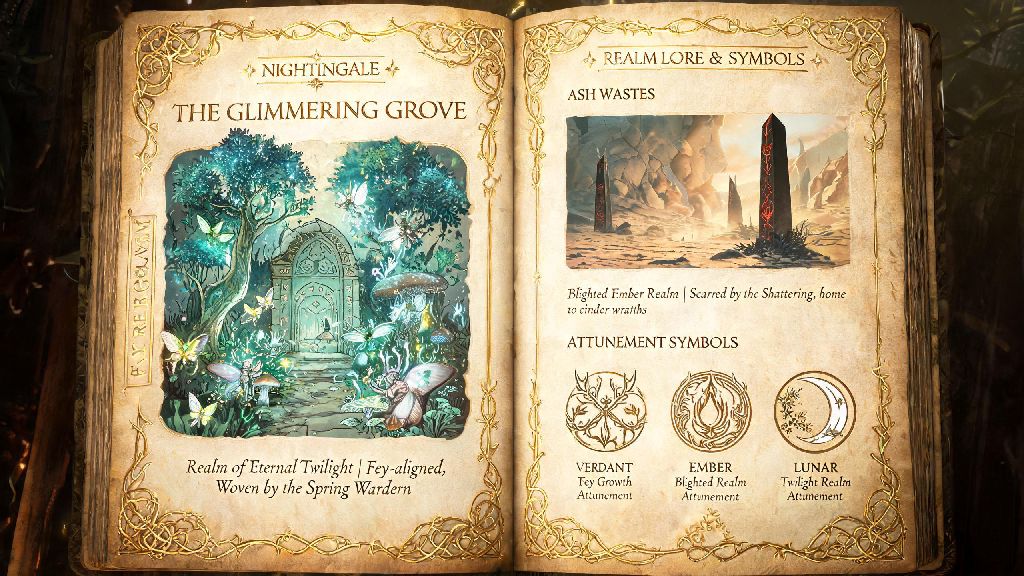
Last month, my 16-year-old cousin asked me a question that caught me off guard: is nightingale a bird? He only knew the name from the popular fae-themed survival game he’d been playing with his friends, and had no idea the term referred to a real, living animal. It made me realize how many people only encounter nightingales in fictional worlds, poetry, or old song lyrics, so they never stop to question if they’re a real, biological creature. This guide breaks down everything you need to know, from basic classification to the cultural myths that make these birds feel almost too magical to be real.
Is Nightingale a Bird? Breaking Down the Core Answer
The short, simple answer is yes, nightingales are a species of small songbird native to Europe, Asia, and parts of North Africa. They belong to the Muscicapidae family of perching birds, which also includes robins and redstarts. The common nightingale, or Luscinia megarhynchos, is the species most people refer to when talking about the bird in literature or casual conversation, though there are two other closely related subspecies found in different parts of the world. So if you've only heard the name in fantasy settings, you might be surprised to learn these birds are very much real, and found in wild habitats across three continents.
Much of the confusion around their status comes from the fact that they share their name with multiple pieces of media, from the aforementioned video game to fictional characters in books, shows, and even cosmetics lines. It’s easy to assume a name that pops up in so many fictional contexts doesn’t belong to a real animal, but that’s not the case here. Nightingales have existed for millions of years, and their distinctive song has been referenced in human culture for longer than written history.
Key Traits That Confirm Nightingales Are Classified as Birds
If you’re still skeptical, nightingales check every box for standard bird classification, right down to their biological structure and behavior. These core traits leave no room for debate about their status as birds:
- Feathered bodies, with distinct russet brown upper plumage and pale cream underparts that help them blend into dense woodland undergrowth to avoid predators
- Hard, toothless beaks adapted for foraging insects, berries, and small seeds on the forest floor, their primary food source for most of the year
- Light, hollow bone structure and functional wings that allow for long, cross-continental migratory flights each fall, when they travel from Europe to sub-Saharan Africa for the winter
- The ability to lay hard-shelled eggs, with females building tightly woven cup-shaped nests in low shrubs to raise 3 to 5 chicks each spring breeding season
Their most famous trait, of course, is the male’s loud, elaborate mating song. Unlike most songbirds that only sing during daylight hours, male nightingales sing through the night to attract unmated females early in the breeding season, and they can sing for hours on end without stopping. I’ve spent time camping in oak woodlands in southern France where nightingales breed, and I was shocked by how loud their song is for a bird that only weighs around 20 grams, about the same as a AAA battery. You can hear them clearly from over half a mile away on a quiet night.
Common Confusions That Lead People to Ask If Nightingales Are Real Birds
There are a few very understandable reasons so many people search this question every month, and none of them are silly. First, as I mentioned earlier, the name “Nightingale” is used for a lot of unrelated fictional properties, from the popular survival game to a long list of fictional characters in movies, books, and TV shows. If your first exposure to the word is a fantasy realm or a superhero name, you’re not going to automatically connect it to a small brown songbird.
Second, nightingales are extremely shy and hard to spot, even in areas where they’re common. Nightingales are notoriously secretive, so even if you live in an area where they breed, you’re far more likely to hear their song than catch a glimpse of the bird itself. They spend almost all their time hiding in dense, low-lying vegetation, and they rarely fly out into open spaces where people can see them. I’ve spent dozens of hours walking through woodlands where I can hear nightingales singing, and I’ve only managed to spot one once, when it hopped out of a bush for two seconds to grab a caterpillar off the ground.
Third, nightingales are so heavily referenced in mythology and classic literature that many people assume they’re a mythical creature, like a phoenix or a dragon. They show up in everything from Shakespeare’s plays to Keats’ famous Ode to a Nightingale, and they’re often used as a metaphor for beauty, grief, or inspiration. It’s easy to assume a bird that shows up in so many symbolic contexts isn’t real, but that’s just a testament to how much their song has impacted human culture over thousands of years.
Cultural Significance of the Nightingale Bird Across History
The nightingale’s unique, haunting song has made it a staple of global culture for longer than most recorded history. The earliest known reference to nightingales comes from ancient Sumerian poetry written over 4,000 years ago, where their song was associated with love and longing. In ancient Greek mythology, the nightingale is tied to the tragic story of Philomela, a princess who was turned into a nightingale after suffering terrible violence, so her song became a symbol of grief and resistance for centuries.
In medieval European folklore, nightingales were thought to stay awake all night to guard their nests against snakes, so their song was seen as a protective charm for people who lived near woodlands. Farmers would listen for the first nightingale song of the spring as a sign that it was safe to plant their crops, because it meant the last frost of the year had passed. For over 3,000 years, the nightingale’s unique song has made it one of the most frequently referenced birds in global art, literature, and folk tradition.
In modern times, nightingales have become a flagship species for woodland conservation efforts across Europe. Their populations have declined sharply in recent decades due to habitat loss, pesticide use, and climate change disrupting their migratory routes. If you want to support nightingale populations, planting native berry shrubs and avoiding pesticide use in your garden can create valuable stopover habitat for migrating birds as they travel between their breeding and wintering grounds. Even small changes in your backyard can make a big difference for these tiny, hard-working travelers.
So next time someone asks you is nightingale a bird, you can tell them not only is it a real, living songbird, but it’s one of the most culturally significant animals on the planet. It’s easy to see why so many people assume they’re fictional, between their widespread use in media, their secretive nature, and their almost magical-sounding song. But if you ever get the chance to spend a night in a woodland where they breed, you’ll get to experience first-hand the sound that’s inspired artists, poets, and storytellers for thousands of years. It’s an experience you won’t forget anytime soon.