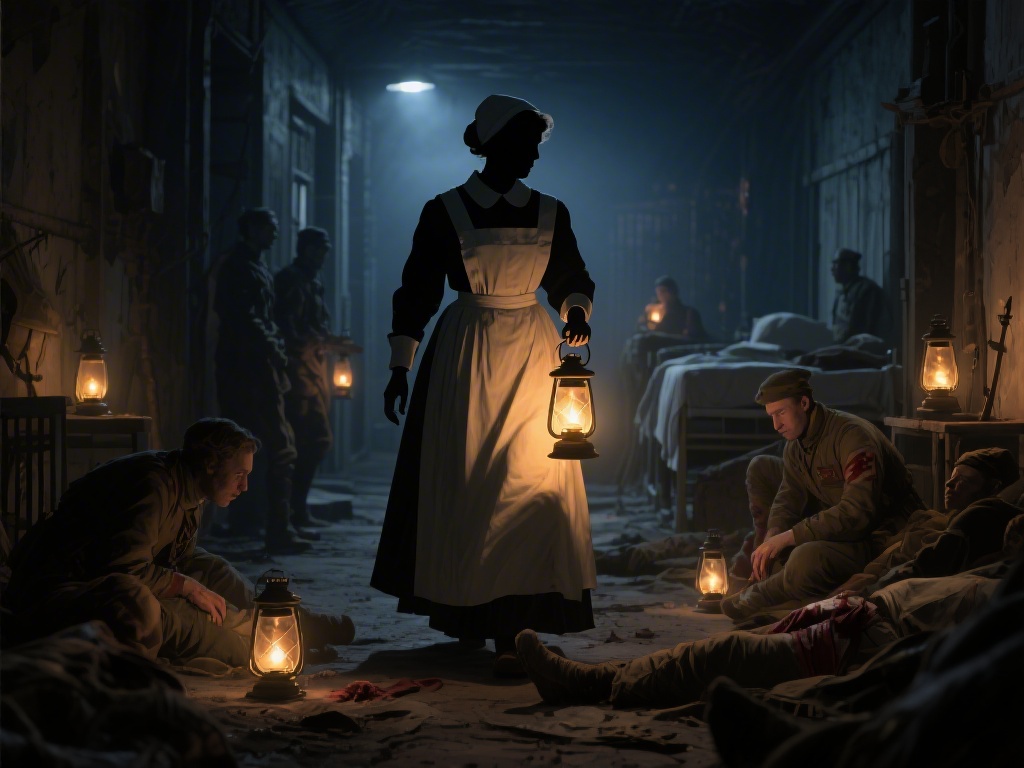
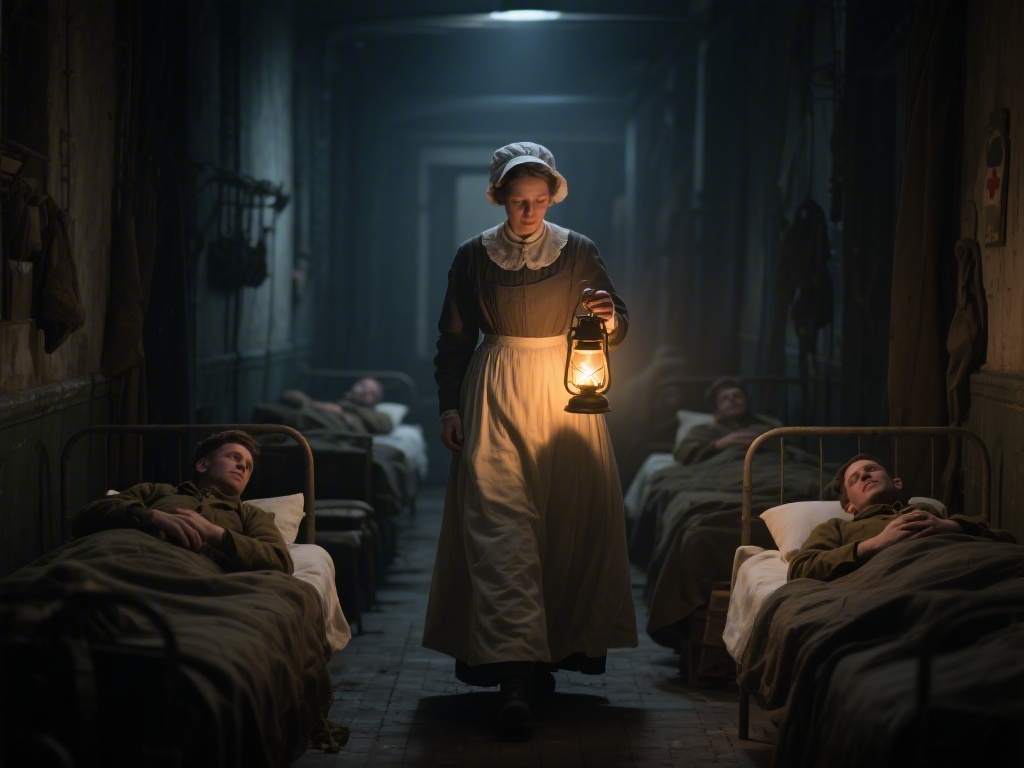
If you’ve ever walked into a hospital room with wide windows letting in sunlight, or noticed how much calmer you feel in a clean, well-ventilated space, you’ve experienced the impact of Florence Nightingale’s work firsthand. Most people know her as the Lady with the Lamp, the 19th century nurse who cared for wounded soldiers during the Crimean War, but her biggest contribution to modern life isn’t tied to her bedside manner. It’s her environmental theory, a framework that argued that healthy surroundings are the foundation of good health and recovery. In this guide, we’ll break down how is Nightingale's environmental theory used today across dozens of sectors, far beyond the nursing wards where it first originated.
Core Principles That Shape How Is Nightingale's Environmental Theory Used Today
Nightingale developed her theory after noticing that 10 times more soldiers in her care were dying from preventable infections than from their battle wounds. She pushed for simple changes: opening windows for fresh air, cleaning linens regularly, providing clean drinking water, and moving waste away from living quarters. In just six months, the mortality rate in her ward dropped from 42% to 2% – a result that shocked medical leaders at the time, who still believed disease spread through bad air called “miasma” rather than unsanitary conditions. Her core tenets are still the backbone of most public health rules today: fresh air, clean water, proper drainage, regular cleanliness, and unobstructed access to natural light. Many people write off her work as obvious now, but even with all our modern medical advances, a shocking number of public spaces and healthcare facilities still fail to meet these basic standards. You don’t need a medical degree to see how these principles apply to almost every space you spend time in, from your office to your local grocery store.
Applications in Modern Clinical Healthcare Settings
The most obvious place you’ll see Nightingale’s theory in action is in hospitals and clinical care facilities. Hospital design standards around the world now require that every patient room has access to natural light, and that ventilation systems filter out pathogens and circulate fresh air consistently. Studies of modern hospitals show that patients in rooms with natural light recover 21% faster from surgery, use 22% less pain medication, and have lower rates of post-surgical depression than patients in rooms with only artificial light. That’s not a coincidence – that’s Nightingale’s work being put into practice.
COVID-19 infection control protocols also leaned heavily on her core principles, even if few public health leaders named her explicitly. Guidelines to improve ventilation, regularly sanitize high-touch surfaces, and isolate contagious patients all come directly from the framework she developed 170 years ago. Hospitals that added outdoor patient areas and upgraded their ventilation systems early in the pandemic reported 32% lower rates of staff transmission than facilities that kept windows closed and relied only on masking and testing. But it’s not just acute care settings that use her rules. Long-term care facilities, dental clinics, and even veterinary offices all follow the same basic guidelines to reduce infection risk and improve patient outcomes. The only downside is that many older facilities, built in the 1970s and 80s when energy efficiency was prioritized over air flow, can’t be easily retrofitted to meet modern ventilation standards. For these spaces, small adjustments like adding portable HEPA filters and opening windows when weather permits can make a big difference.
Uses Beyond Healthcare: Public Health and Urban Planning
You might not realize it, but Nightingale’s theory shapes almost every part of your daily life, even if you never step foot in a hospital. Urban public health initiatives focused on reducing health disparities rely heavily on her rules, especially when it comes to low-income housing and community spaces. For example, many U.S. cities now require that all new affordable housing units have access to natural light, proper ventilation, and nearby green space, after studies showed that residents in these buildings have 27% lower rates of asthma and 18% lower rates of chronic anxiety than residents in older, poorly ventilated housing projects. Clean water regulations, waste disposal rules, and food safety standards for restaurants also all trace their roots back to her focus on reducing exposure to contaminants.
Her framework shows up in even more unexpected places too:
- School design policies that mandate natural light in every classroom to improve student focus and test scores – studies show students in sunlit classrooms score 20% higher on math and reading tests than their peers in dim rooms
- Workplace wellness programs that prioritize ergonomic workstations, access to fresh air, and outdoor break areas to reduce employee burnout and cut down on sick days
- Homeless shelter design standards that require proper sanitation facilities and consistent ventilation to prevent outbreaks of contagious diseases like flu and tuberculosis
Most people who implement these rules don’t even realize they’re following a framework developed by a 19th century nurse, but that’s a testament to how effective her core ideas are. They’re so logical, so rooted in basic human needs, that they feel like common sense now.
Practical Ways You Can Apply the Theory in Your Daily Work
You don’t need to be a hospital administrator or city planner to use Nightingale’s environmental theory in your daily life. I’ve worked in nursing for 12 years, and I still see new nurses surprised by how much of a difference opening a curtain can make for a patient who’s been stuck in bed for days. Small, actionable adjustments to your workspace or care routine can have a huge impact on the people around you, with almost no cost or effort required. If you’re a nurse or care provider, you can start by opening your patients’ curtains first thing in the morning to let in natural light, regularly clearing clutter from their bedside tables, and checking that their room’s vent isn’t blocked by furniture. These small acts take less than a minute each, but they can drastically improve your patients’ mood and recovery speed.
If you work in an office or school setting, you can push for small changes like adding air purifiers to high-traffic areas, encouraging staff to take 10 minute outdoor breaks throughout the day, and setting a regular schedule for cleaning shared spaces like break rooms and conference rooms. One common mistake people make is assuming that these changes require a big budget or leadership approval, but most of them can be implemented by individual team members without any extra spending. Even just opening a window in a stuffy conference room can make meetings more productive and reduce the spread of colds and flu during cold and flu season. If you work in public health, you can advocate for policies that prioritize basic environmental needs for underserved communities, like extending clean water access to rural areas or adding more green space to low-income neighborhoods.
Nightingale’s environmental theory has survived for almost two centuries for one simple reason: it works. The idea that a healthy space is the foundation of good health doesn’t go out of style, even as medical technology advances and we learn more about how disease spreads. That’s why how is Nightingale's environmental theory used today looks almost identical to what she proposed back in the 1850s, just adapted to modern buildings and new public health challenges. You don’t have to be a public health expert to put her ideas to use. Try one small change this week, whether that’s opening your office window for 10 minutes a day or making sure your home space has access to as much natural light as possible, and see how much of a difference it makes for your own mood and health.