Did Florence Nightingale really just carry a lamp around hospital wards to care for wounded soldiers? If all you know about her is the "Lady with the Lamp" nickname you learned in grade school, you’re only getting a tiny sliver of her incredible life story. Most people don’t realize she was a brilliant statistician, a fierce social reformer, and a trailblazer who fought decades of pushback to make healthcare safer for everyone. I’ve spent years digging through primary sources about 19th century public health for my history blog, and I still find new details about her work that blow me away every time.
Did Florence Nightingale Really Create the First Official Nursing Training Program?
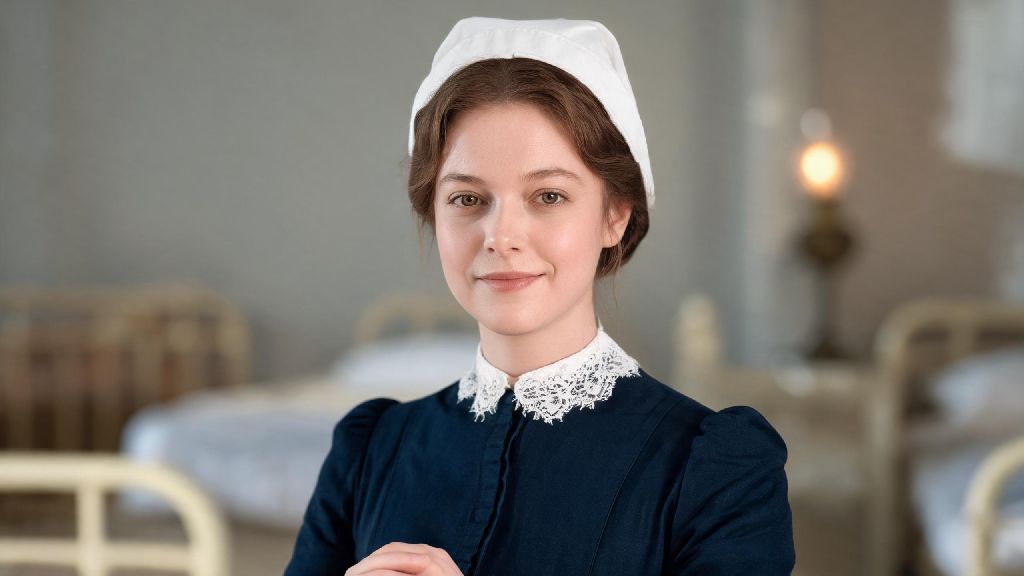
When she returned from the Crimean War in 1856, she used the £45,000 raised by the public to honor her wartime work to fund a dedicated nursing school at London’s St. Thomas’ Hospital. Before her program launched in 1860, nursing was seen as a low-status job for working class women, often associated with negative stereotypes of neglect or unprofessional behavior. Most nurses had no formal training, and many hospitals relied on untrained staff or family members to care for patients. Her program required strict entrance exams, formal coursework in anatomy and hygiene, 12 months of hands-on clinical experience, and a formal code of conduct for all students. Graduates of the program were in high demand across the world, and many went on to launch their own nursing training schools in their home countries. That means within 10 years of the first cohort graduating, professional nursing was a respected, viable career path for women across Europe, North America, and parts of Asia and Africa.
Her Statistical Work Saved Millions More Lives Than Her Wartime Nursing
Most people don’t know that Florence Nightingale was a self-taught statistician who got her first set of math books as a gift when she was 9 years old. During her time in Crimean War military hospitals, she tracked patient outcomes closely and found that 80% of soldier deaths were from preventable diseases like typhus and cholera, not battle wounds. She designed custom polar area statistical graphs to present this data to British government officials, most of whom could not understand complex data tables at the time. The visual graphs made the connection between poor sanitation and high death rates impossible to ignore, and officials quickly approved her requests to clean hospital wards, improve ventilation, and provide clean drinking water to patients. Within 6 months of her reforms being put in place, the death rate in military hospitals dropped from 42% to 2%. Her data-driven approach to public health is still the foundation of modern epidemiology today, and she was the first woman ever accepted as a member of the Royal Statistical Society. She wrote more than 200 reports on health policy over her career, many of which are still cited by public health researchers today.
Common Myths About Florence Nightingale You Should Stop Believing
When I talk to people about her work, I hear the same wrong claims over and over again, most of which started as simplified newspaper stories during her lifetime that tried to frame her as a gentle, self-sacrificing caregiver instead of the sharp, stubborn reformer she was. Let’s break down the most persistent myths:
- Myth 1: She only cared for soldiers during the Crimean War – She actually spent less than 3 years working directly in clinical care, and the other 60 years of her career focused on policy and reform that impacted millions of civilian lives too.
- Myth 2: She was a quiet, obedient woman who never challenged authority – She regularly wrote scathing letters to government officials, refused orders from military leaders to delay sanitation reforms, and turned down multiple marriage proposals so she could focus entirely on her work.
- Myth 3: She didn’t support women’s rights or the suffrage movement – She worked closely with leading suffragists of her time, wrote essays arguing that women deserved equal access to education and professional work, and donated large portions of her personal fortune to suffrage organizations.
How Her Work Still Impacts Your Daily Healthcare Today
You might not realize it, but a lot of the standard hospital practices you take for granted come directly from recommendations Florence Nightingale first published in 1859. Requirements for regular hand washing, daily cleaning of patient rooms, and access to clean drinking water for all patients all first appeared in her book Notes on Nursing. The book was written for ordinary people caring for sick family members at home, not just professional nurses, and it sold more than 10,000 copies in its first year of release. She also pushed for all hospitals to keep detailed, standardized records of patient outcomes, which is now a mandatory practice for every healthcare facility in the world. That data is how we track disease outbreaks, measure the effectiveness of new treatments, and identify gaps in care for underserved communities. I had to stay in the hospital for a minor surgery last year, and I noticed the daily cleaning schedule posted on the wall of my room – that’s a direct descendant of the strict cleaning protocols she first put in place 170 years ago. It’s wild to think how much of our modern healthcare system traces back to one woman’s refusal to accept the status quo.
Did Florence Nightingale just earn her place in history for carrying a lamp around war wards? Not even close. Her legacy is so much bigger than the simplified story most of us learn as kids, and it’s worth taking the time to learn the full story of her work. Whether you work in healthcare, love history, or just enjoy learning about hidden trailblazers, her story is a great reminder that small, data-driven changes can have a huge impact on millions of lives for generations to come.