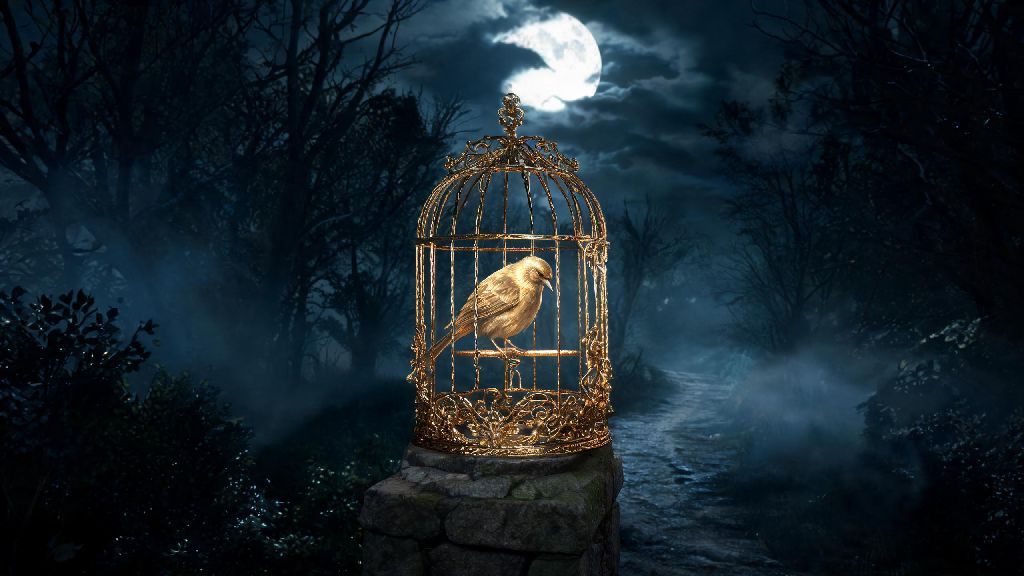
If you’ve ever come across the motif of a nightingale in a golden cage in a poem, painting, or even a modern song lyric, you know it carries a weight far beyond its simple visual description. I first stumbled on this image as a teen reading 19th century poetry, and I’ve spent years tracking how it pops up across nearly every human culture, with layers of meaning that shift depending on the context it’s used in. Most people assume it only refers to trapped beauty, but there’s far more nuance to the motif than you might expect, from ancient folk tales to modern activist art.
What a Nightingale in a Golden Cage Represents Across Cultures
The motif is remarkably consistent across regions, even in cultures that had limited contact with each other for centuries. In Persian folk lore and poetry, the nightingale has long been a symbol of unrequited love and artistic longing, so the golden cage represents the distracting allure of a beloved that keeps the speaker from pursuing their true purpose. Many 14th century Persian poets used the image to talk about the tension between romantic desire and spiritual devotion, two pulls that often felt mutually exclusive.
In medieval European lore, the nightingale was tied to the human soul, so the golden cage represented earthly wealth, status and comfort that trapped people from pursuing spiritual enlightenment. Nobles would even keep real nightingales in gilded cages as status symbols, a practice that made the motif feel even more tangible for people living at the time. The core universal thread across all cultures is the tension between inherent freedom and gilded, seemingly desirable captivity.
In traditional Chinese lore, the nightingale is associated with artistic talent and unfiltered creative expression, so the golden cage represents imperial patronage or wealthy patron demands that force artists to create work that pleases others, instead of work that aligns with their own vision. This interpretation is still widely used in East Asian media today, especially in stories about creatives working in mainstream entertainment industries. Unlike plain cages, the golden version adds a layer of complicity to the trap, because the captive is often offered comfort they don’t want to give up even for freedom.
The Most Famous Appearances of the Motif in Literature and Art
You can find this motif popping up in iconic creative works dating back more than 700 years, and it’s still being used in modern media today because it feels so relatable. Some of the most memorable uses span every genre and format, from classic poetry to blockbuster visual albums.
You’ll notice the motif is almost never used for characters who are trapped against their will without any perceived benefit. The golden cage is always presented as something the captive either chose initially, or receives tangible rewards from staying inside, which makes the moral question of leaving far more complicated than a simple escape story. For example, in Andersen’s fairy tale, the nightingale is given fine food and constant attention in the cage, so staying feels like a reasonable choice for a long time.
Common Misinterpretations of the Motif to Avoid
Because the motif is so old, many people pick up incomplete interpretations that don’t capture its full nuance. The most common misinterpretation is that a nightingale in a golden cage is always a reference to romantic captivity. While that is one common use, it can refer to any situation where someone is trapped in a comfortable, privileged position that stops them from living authentically. That can include high-paying jobs that make you abandon your creative passions, restrictive family dynamics that give you financial support but don’t let you make your own choices, or even fame that gives you access to luxury but takes away your privacy.
Another common misinterpretation is that the motif is always a criticism of the person trapped in the cage. Many people read the image as a judgment on the nightingale for being too weak or greedy to leave, but that’s almost never the intended message. It’s not always a judgment on the captive; often it’s a commentary on the systems that force people to choose between comfort and freedom. For example, if a single parent takes a high-paying unfulfilling job to pay for their kid’s medical care, that’s not a failure, it’s a sacrifice, and the motif can be used to highlight that impossible choice without judging the parent for making it.
A lot of people also assume the golden cage is always a bad thing, but that’s not the case either. Sometimes the cage is a temporary safe space for someone who doesn’t have the resources to survive on their own. A queer teen staying with unsupportive wealthy parents until they can save enough money to move out is in a type of golden cage, but staying is the most practical choice for their safety and long-term freedom. The motif is meant to spark reflection, not criticism of the person trapped.
How to Use the Motif Creatively in Your Own Work
If you’re a writer, artist, or even just someone making casual social media content, this motif is incredibly versatile, and it’s easy to update it to fit modern contexts without losing its core meaning. First, don’t limit yourself to romantic or historical settings. You can use it to talk about everything from gig workers trapped in well-paying algorithmic jobs that control every part of their schedule, to disabled people who rely on medical equipment controlled by corporations that charge exorbitant prices for access.
You can also subvert the classic trope to tell more nuanced stories. Instead of the nightingale escaping the cage forever, you can have them negotiate better terms inside the cage, or use the resources they get from the cage to help other people who don’t have the same access to comfort and safety. You can also tell stories where the cage is a choice the character makes intentionally, not something they’re tricked into, which adds a lot of moral depth to the narrative.
The best modern uses of the motif subvert the old tropes to reflect the complex choices people face today. For example, a recent indie graphic novel I read used the motif for a social media influencer who has a massive following and brand deals that let her support her entire family, but she can’t post about her queer identity or political beliefs without risking losing all her income. That take feels far more relevant to modern audiences than a classic noble trapping a bird story, and it still keeps the core meaning of the original motif intact. Don’t be afraid to tweak the details to fit the story you want to tell, as long as you keep that core tension between freedom and comfort at the center.
At the end of the day, the enduring power of a nightingale in a golden cage comes from how relatable it is to nearly everyone. We’ve all had moments where we chose something comfortable over something that felt true, or felt trapped by a situation that other people envy. It doesn’t matter if you encounter it in a 700 year old poem or a viral TikTok sound, the motif asks you to stop and ask yourself what cages you might be carrying around, even if they look pretty from the outside. You don’t have to break out of every golden cage tomorrow, but just recognizing when you’re in one is the first step to making choices that feel aligned with what you actually want.