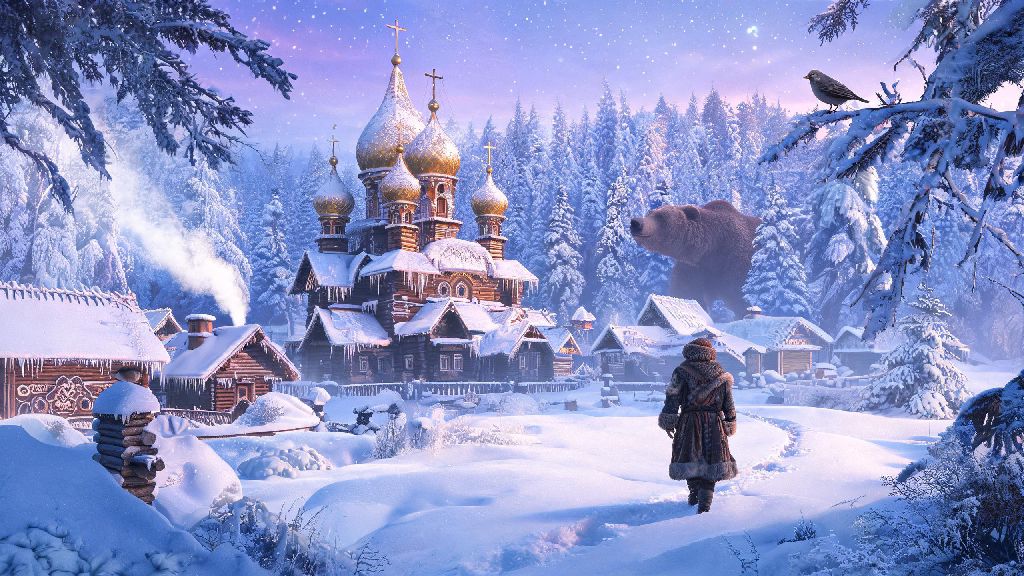
If you’ve ever stumbled on a fantasy book that feels like stepping into a frost-covered Russian village full of old spirits and quiet, unshakable courage, you’ve probably heard of A Bear and the Nightingale. Katherine Arden’s debut novel took the fantasy world by storm for its tight, lyrical writing and unapologetic dedication to the Slavic folklore that shapes every page. I first read it on a cold winter weekend, and I finished it in one sitting, completely wrapped up in Vasya’s journey and the strange, living world around her. This guide breaks down everything you need to know to get the most out of your read, whether you’re picking it up for the first time or revisiting it years later.
What Makes A Bear and the Nightingale Stand Out From Other Fantasy Novels?
Most mainstream western fantasy draws on familiar Celtic or Norse folklore, but this book pulls from lesser-known Slavic traditions that feel fresh and unexplored for most readers. Arden studied Russian literature and folklore for years before writing the book, so every spirit, custom, and turn of phrase feels authentic, not like a cheap, stereotyped take on Eastern European culture. It’s that nuance that has made A Bear and the Nightingale a beloved staple of modern fantasy for over half a decade.
The line between magic and everyday life is almost non-existent in the book, which makes it feel far more immersive than fantasy that frames magic as a rare, special power. The house spirits aren’t just plot devices, they’re part of the family’s daily routine: people leave them treats, talk to them like neighbors, and blame them for lost socks or spilled milk just like people would for a troublesome pet. The villain isn’t a one-note evil force either; the conflict comes as much from rigid religious intolerance and fear of the unknown as it does from the ancient bear god lurking in the woods.
Slavic Folklore References You Might Have Missed
Arden wove dozens of small folklore references into the text that you might not catch if you don’t know Slavic traditions. She never stops to explain them, which makes the world feel more lived-in, like you’re really a visitor to a village where everyone already knows these stories. These small, intentional references are part of why re reading A Bear and the Nightingale feels like finding new Easter eggs every time. Some of the most notable references include:
If you recognize these references as you read, you’ll pick up on small foreshadowing details that fly over most readers’ heads. For example, when Vasya leaves a piece of pie for the domovoy early in the book, that’s not just a cute character quirk, it’s setting up how her respect for the old traditions will end up saving the village later. You don’t need to know any of these references to enjoy the story, but they add an extra layer of depth for readers who take the time to look them up.
Common Misconceptions About the Book's Core Message
A lot of readers frame the book as a simple “religion vs magic” story where Christianity is entirely bad and the old pagan traditions are entirely good, but that’s a huge oversimplification. Arden never frames the village priest as an inherently evil person; he’s a man who genuinely believes he’s saving the villagers from damnation, and his fear of the old spirits comes from a place of care, even if it’s horribly misplaced. He’s a product of his time and his own beliefs, not a cartoon villain written to make a lazy point about organized religion.
Another common misconception is that Vasya is rebelling against all the rules of her society just for the sake of rebellion. That’s not true either. She doesn’t hate her family, or even the village for the most part. She just refuses to marry or become a nun, the only two options allowed for women at the time, because she knows her place is in the woods, caring for the spirits that keep the village safe. So many readers write her off as a stubborn, reckless teen, but her choices are all rooted in a deep sense of responsibility for the world around her, not just a desire to break rules.
That’s part of what makes the book feel so much more real than a lot of modern fantasy. There are no clear good guys and bad guys, just people making the best choices they can with the information they have. Even the bear god of the title isn’t purely evil; he’s a force of nature that’s been caged and corrupted, and his anger comes from being trapped for centuries, not an inherent desire to hurt people.
Tips For Getting The Most Out Of Your First Read
If you can, read it during the winter, ideally when it’s cold outside and you have a warm drink next to you. The atmosphere of the book is so tied to frost, long dark nights, and quiet winter days that you’ll get way more immersed if you’re matching the vibe. I’ve tried reading it in the middle of summer before, and it just doesn’t hit the same way it does when you’re wrapped in a blanket with snow falling outside the window.
Don’t rush through the slow, slice-of-life chapters early on. A lot of readers get frustrated because the big fantasy conflict doesn’t kick in until halfway through the book, but those early chapters are where you get to know the village, the spirits, and Vasya’s family, so all the stakes feel real when things start going wrong. If you skip through those chapters to get to the action, you won’t care nearly as much when the village starts turning on Vasya or the spirits start disappearing.
If you come across a folk term you don’t recognize, don’t be afraid to pause and look it up. Most are explained in context, but learning the backstory behind each spirit or custom will make the world feel even more vivid. Don’t skip the author’s note at the end, either; Arden talks about her research process, and she shares a lot of cool anecdotes about how she first learned about the folklore that inspired the book. If you finish it and want more, the two sequels (The Girl in the Tower and The Winter of the Witch) are just as well-written, and they expand on the lore and character arcs in really satisfying ways.
At the end of the day, A Bear and the Nightingale is more than just a fantasy novel. It’s a love letter to forgotten folklore, to the quiet courage of people who refuse to fit into the boxes society gives them, and to the magic that’s always lurking just below the surface of everyday life, if you know where to look. Whether you’re a long-time fantasy fan or you’re just dipping your toes into the genre, it’s the kind of book that sticks with you long after you turn the last page. I still find myself thinking about Vasya’s walks through the frost-covered woods on cold days, and I’ve re-read it at least three times since that first weekend I picked it up. If you haven’t read it yet, there’s no better time to grab a copy and lose yourself in that world.